A luxury watch is easiest to choose when you begin with the job it must do, not with a logo or a resale prediction. Write down when you will wear it, which functions you will actually use, and which compromises you can accept. That short brief keeps a beautiful watch from becoming an expensive object that stays in a drawer.
Define the watch's real role
A daily watch needs a different balance from an occasional dress watch. For regular wear, comfort, legibility, a secure clasp and a case finish that tolerates normal marks often matter more than a complicated movement. A watch worn with formal clothing may need a slim profile and a strap that fits beneath a cuff. Travel can justify a second time-zone display, while a rotating bezel can provide a clear mechanical timer without the complexity of a chronograph.
Separate requirements from preferences. A required feature may be a date, strong low-light visibility or a bracelet with useful adjustment. Preferences include dial color, case metal and brand. If a candidate fails a requirement, visual appeal should not move it back onto the shortlist.
Build a complete ownership budget
The purchase price is only the first number. Allow for tax or import charges, insured delivery, bracelet links, a replacement strap, insurance and an initial inspection when service history is unknown. Mechanical watches also need professional maintenance eventually. The interval and price depend on the movement, condition, use and manufacturer, so a seller's broad estimate should not be treated as a promise.
Use the watch ownership cost calculator to compare candidates on the same time horizon. Leave room in the budget for an unexpected repair. Spending every available dollar on the watch itself can turn a routine service issue into a stressful ownership experience.
Compare fit with measurements, not labels
Men's and women's labels do not determine fit. Case diameter is only a starting point. Lug-to-lug length shows how far the case spans the wrist, thickness affects cuff clearance, and fixed bracelet end links can make a watch wear longer than the case measurement suggests. Crown guards and chronograph pushers can also press into the hand when the watch sits low.
Measure the wrist where the watch will rest, then use the watch size calculator to form a shortlist. The result is a comparison range, not a rule. A light dial, thin bezel and wide bracelet can change visual scale, so confirm the final choice on the wrist or through a seller with a practical return policy.
Choose a movement for your habits
Automatic, hand-wound, quartz and solar watches offer different forms of ownership. A mechanical movement rewards interaction and traditional construction, but its accuracy is normally discussed as a daily rate rather than the much tighter expectation associated with quartz. A hand-wound watch adds a regular winding routine. Quartz suits an owner who values dependable timekeeping and simple pickup-and-go use. Solar can reduce routine battery changes when the watch receives suitable light.
Do not pay for complications you will avoid setting or servicing. Read the watch movements guide, then compare the movement fitted to the exact reference. Model families can change calibers between generations.
Verify the exact reference and condition
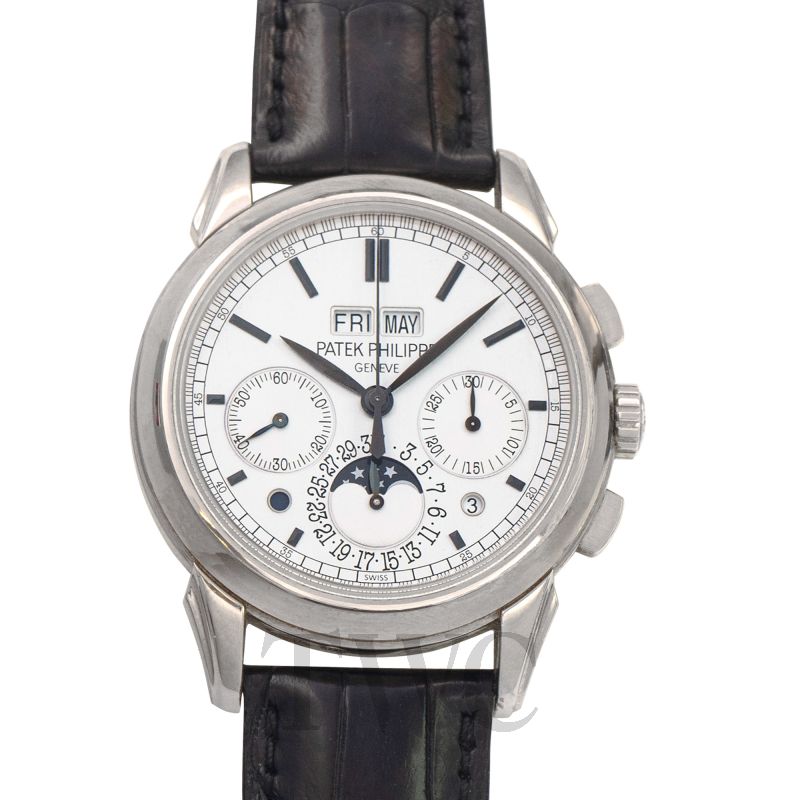
A collection name is not specific enough for a purchase decision. The full reference can identify a generation, size, metal, bezel, dial or bracelet configuration. Use the watch reference finder and compare the seller's photographs with reliable records for that configuration. Ask for images of the dial, case sides, lugs, case back, clasp, bracelet and any identifying marks that can be shared safely.
For a pre-owned watch, evaluate originality and mechanical condition separately. A genuine service dial may be correct but different from the component installed at manufacture. Polishing may improve shine while reducing sharp case lines. Boxes and papers provide useful context, but neither proves that every component of the watch belongs together. The pre-owned watch checklist provides a transaction-level review.
Evaluate the seller and the exit options
A trustworthy listing identifies the exact watch, explains material defects, states what has been tested and gives written return terms. Confirm who owns the watch, where it will ship from, which payment protections apply and who bears the risk during a return. An authenticity promise should say what happens if an independent inspection finds a problem.
Keep the listing, invoice, correspondence, serial record, delivery photographs and later service documents. Good records help with insurance, maintenance and a future sale. If important answers remain vague, pause the transaction. Another example is usually less costly than solving an avoidable dispute.
Make the final comparison
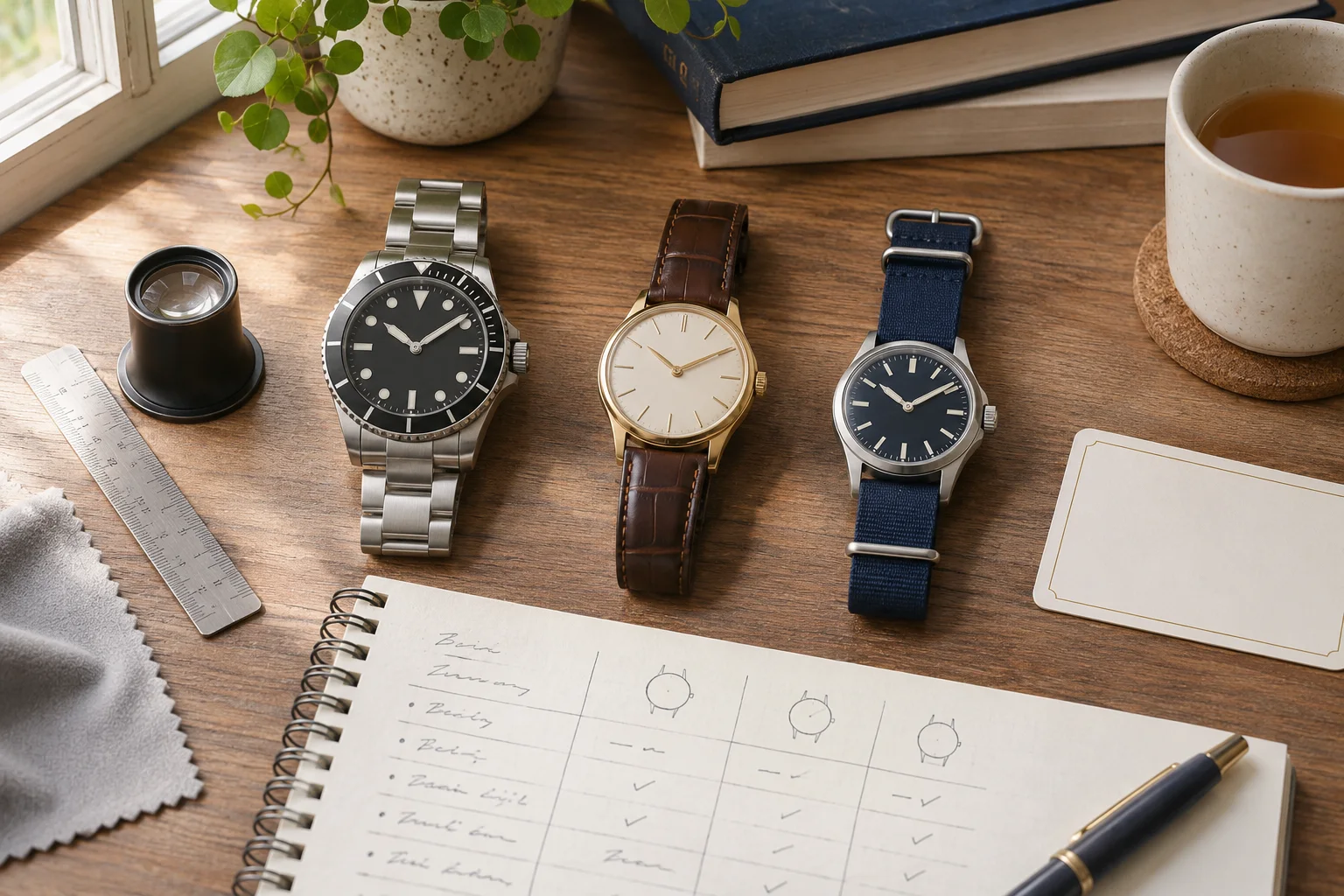
Compare no more than a few exact references in one table or note. Record fit, movement, condition, included items, seller terms and estimated ownership cost. Then rank the candidates by the original brief. Browse the watch reference catalog to research alternatives, but choose the watch that meets your actual use rather than the one with the longest feature list.