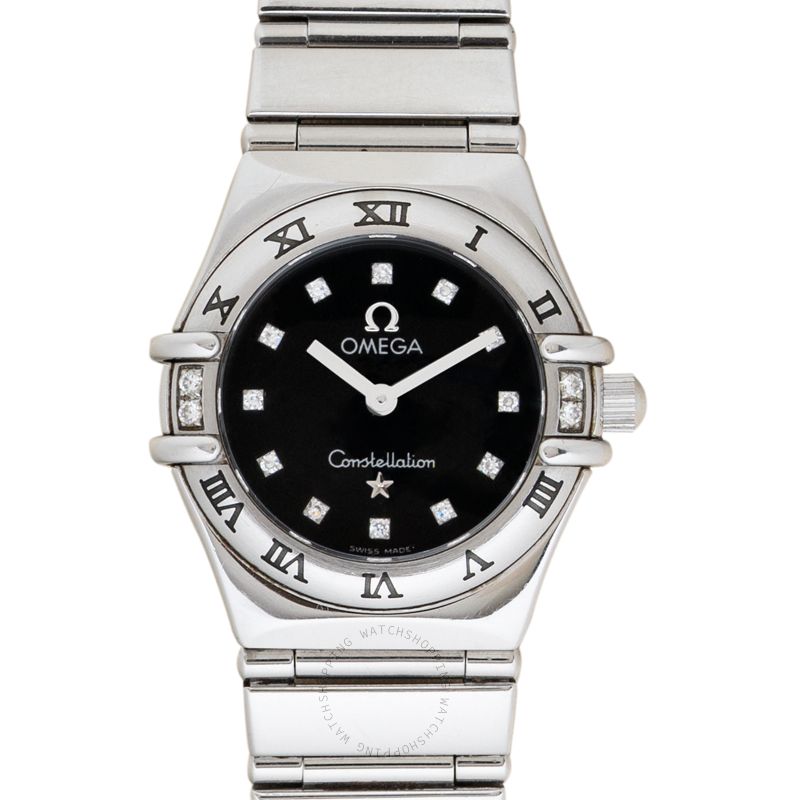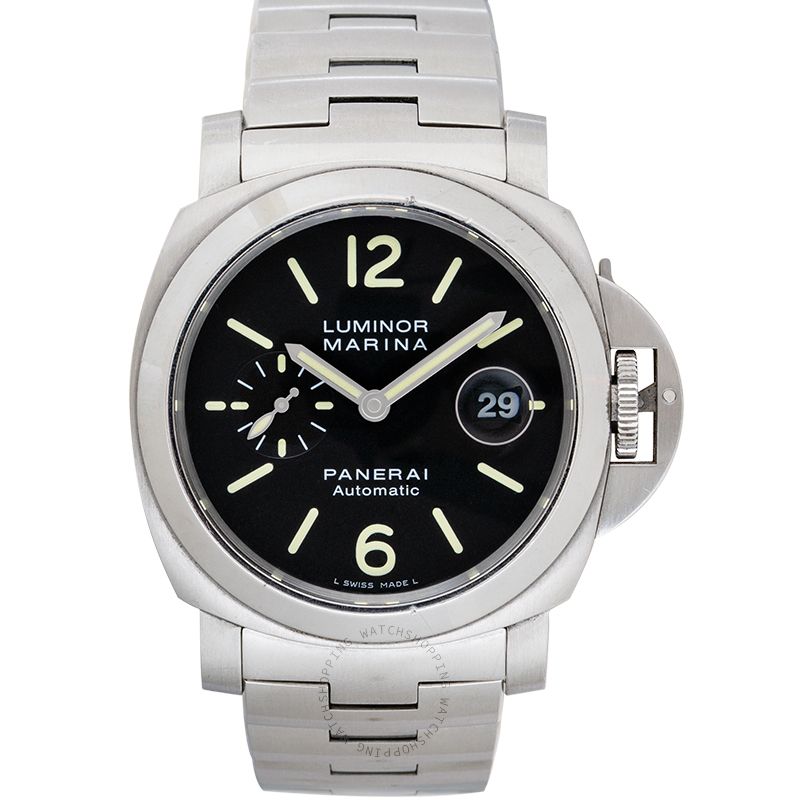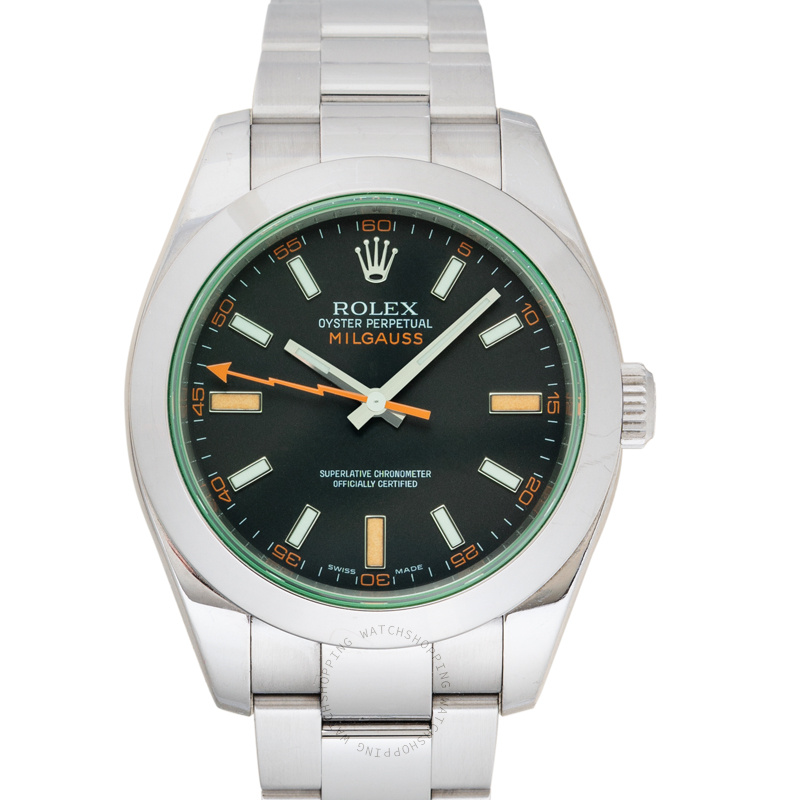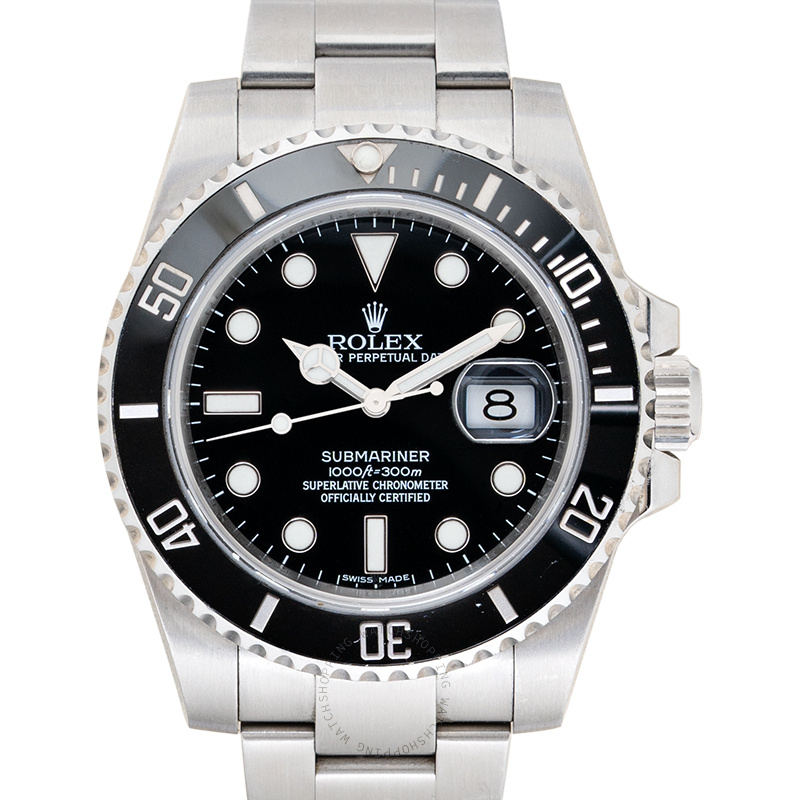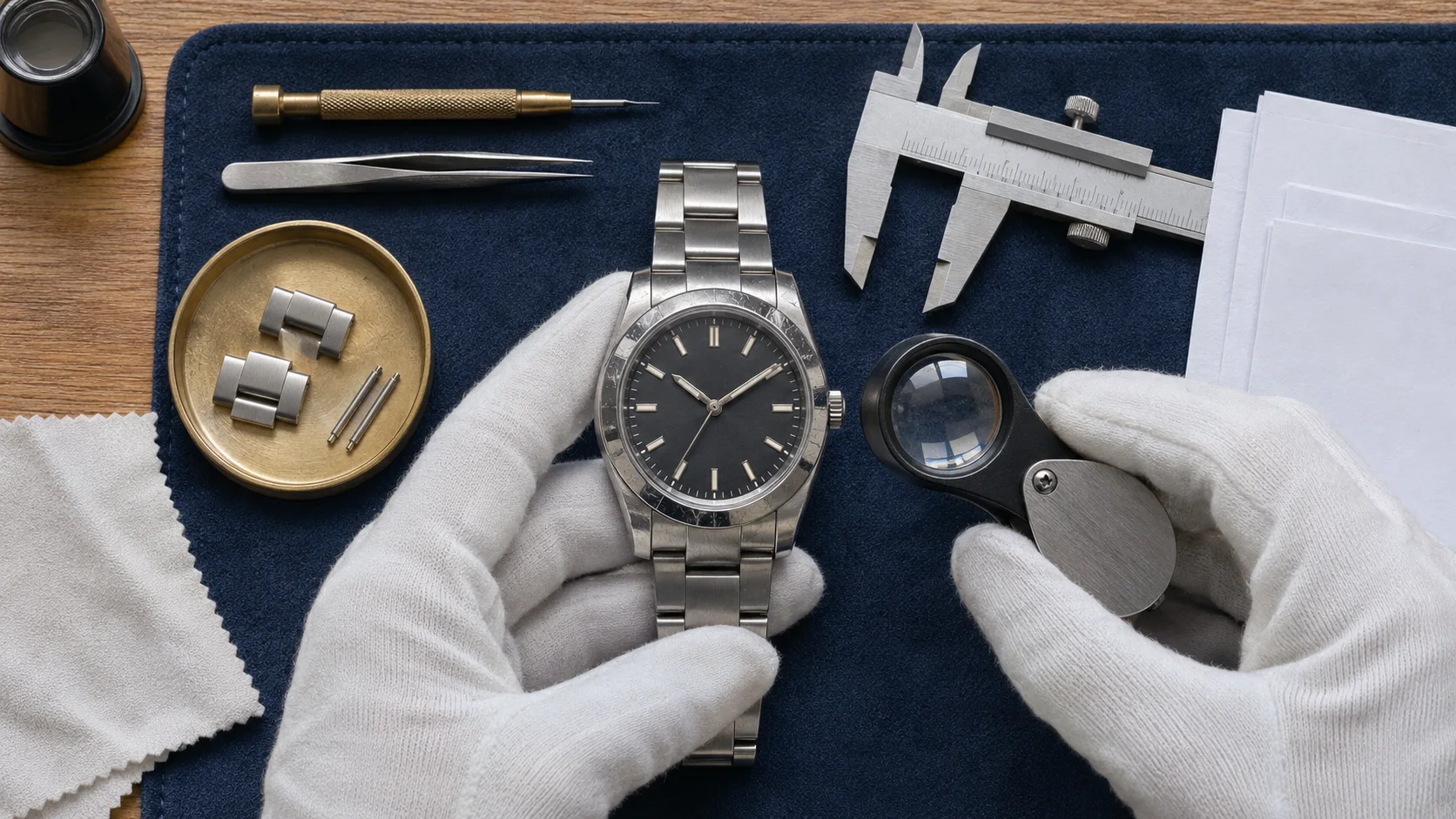
A pre-owned watch is not interchangeable with every other example of the same model. Condition, replaced parts, bracelet fit, service history and seller terms can change the value and the ownership experience. Treat the listing as a claim to verify, then document what you actually receive.
Identify the exact watch before judging price
Start with the complete reference, not only the collection name. Confirm the expected case, movement, dial, bezel, crown and bracelet or strap for that reference and period. The watch reference finder helps separate configurations that look similar but are not equivalent.
Ask the seller to explain any part that differs from reference records. A replacement service component can be genuine and functional while still affecting collector interest. Unknown does not automatically mean false, but uncertainty should be reflected in the decision and price.
Evaluate the seller as carefully as the watch
Confirm the seller's legal identity, physical location and ownership of the watch. Read recent feedback for transactions of similar value and look for how problems were resolved. Photographs should show the offered watch, not a catalog image. Reverse-image matches, inconsistent backgrounds or refusal to provide a requested angle are reasons to slow down.
Get return conditions, inspection time, shipping responsibility and authenticity remedies in writing. Use a payment method with protections appropriate to the transaction. A request to move urgently to an unprotected payment channel should outweigh a tempting discount.
Read the case and bracelet for evidence
Request sharp, neutral images of the dial, case sides, lugs, case back, crown, clasp and bracelet. Look for corrosion, deep impacts, cracks and uneven gaps. Polishing can remove scratches, but heavy or poorly executed work may soften bevels, reduce lug symmetry and erase the contrast between brushed and polished surfaces.
Bracelet stretch, worn pins, damaged screws and missing links affect safety and fit. Confirm that the clasp closes securely and that the bracelet can be sized to the intended wrist. On precious-metal pieces, missing links can add a substantial replacement cost.
Separate cosmetic originality from mechanical health
A clean dial does not prove a healthy movement. Ask how rate, amplitude or power reserve was assessed, which functions were tested and whether water resistance was pressure tested. For a chronograph, confirm start, stop and reset. For a calendar, confirm correct changeover and setting operation without forcing the controls.
A service invoice is useful only when it identifies the watch, provider, date and work completed. The phrase recently serviced is too vague by itself. When the history is unknown, budget for independent inspection and possible maintenance using the watch ownership cost calculator.
Understand dials, hands and service parts
Changes in lume color, printing, hand length or surface finish can reveal replacement or restoration, but photographs are not always decisive. Moisture marks, flaking lume and corrosion deserve attention. A redial may look attractive while being less desirable to a collector seeking original components.
Ask for disclosure rather than using originality as a vague label. Record which components the seller believes are original, replaced, refinished or unknown. The WatchShopping authenticity guide explains why boxes, papers and serial information support research but do not replace examination of the whole watch.
Accessories provide context, not proof
A warranty card, receipt, box, manual or tag can help document history. Check that dates, references and retailer details are internally consistent. Accessories can also be lost, replaced or assembled later. Price them as part of the set, but never allow them to override contradictory evidence from the watch.
Inspect during the return window
Photograph the unopened parcel and the unboxing when appropriate. Compare the serial and reference with the invoice, check every stated function and inspect the watch under neutral light. Do not remove protective seals, size the bracelet or wear the watch extensively until the return terms are understood.
For a high-value or uncertain purchase, arrange an independent inspection with a qualified professional during the return period. Agree in advance on whether opening the case is permitted. If the watch differs materially from the listing, communicate in writing and preserve all evidence.
Know when to walk away
- The seller will not provide the exact reference or current photographs.
- The description changes when you ask about service parts or condition.
- The return or authenticity remedy is unclear.
- The payment method removes normal buyer protection without a sound reason.
- The price only makes sense if every unresolved detail turns out favorably.
Browse the pre-owned watch catalog to compare exact references. A disciplined purchase may take longer, but it is usually less expensive than correcting a watch with undocumented parts, poor refinishing or immediate service needs.