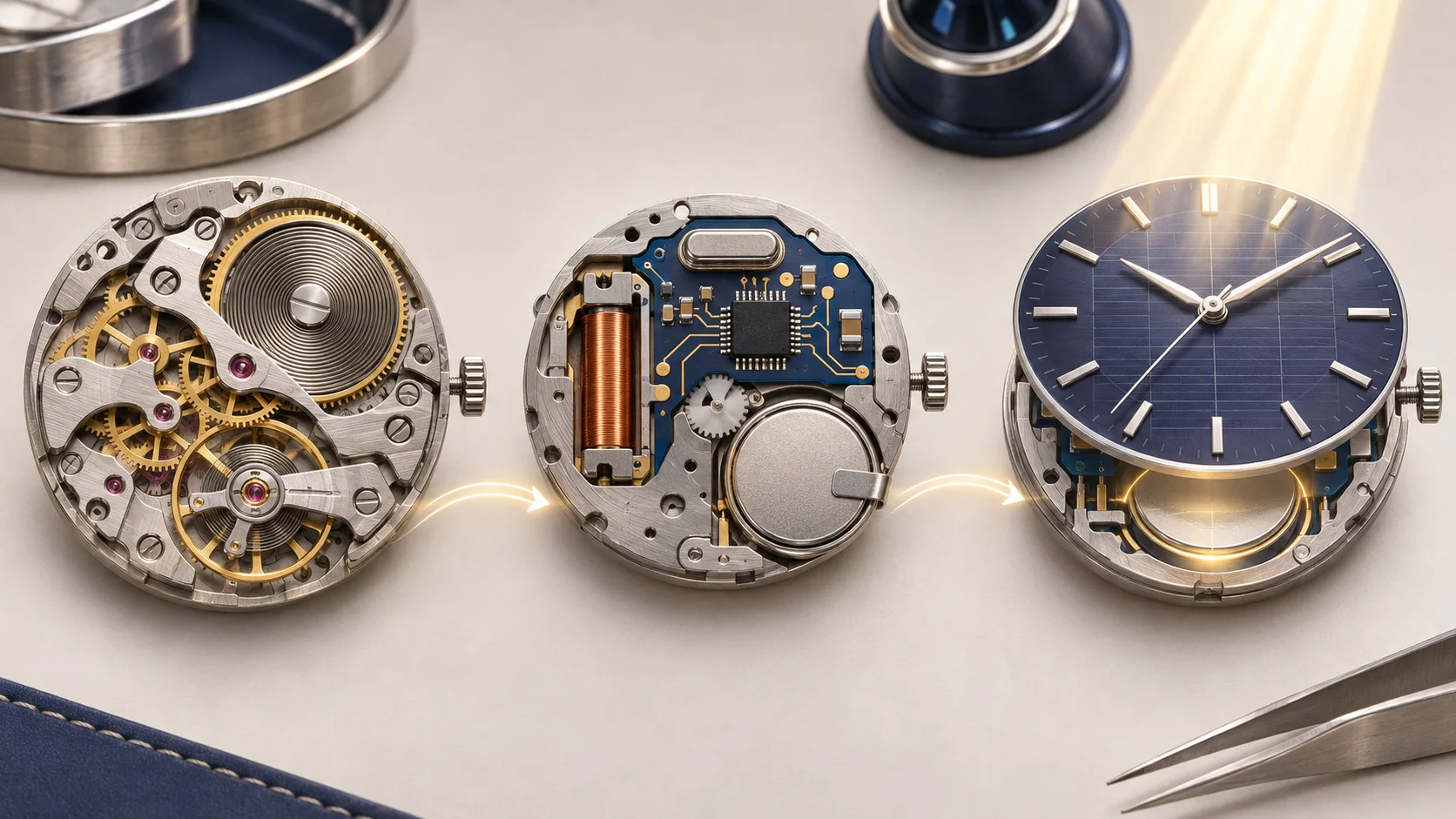
A watch movement stores or receives energy, regulates its release and turns that energy into a time display. The useful question is not which movement is universally best. It is which system matches your accuracy expectations, wearing pattern, interest in mechanical craft and willingness to maintain it.
How a mechanical movement keeps time
In a mechanical watch, the mainspring stores energy. The gear train carries that energy to the escapement, which releases it in controlled steps. The balance wheel and hairspring regulate those steps. The hands are the visible end of that chain. Small changes in position, temperature, magnetism, lubrication and impact can affect the rate, which is why mechanical accuracy is usually assessed over several days and positions.
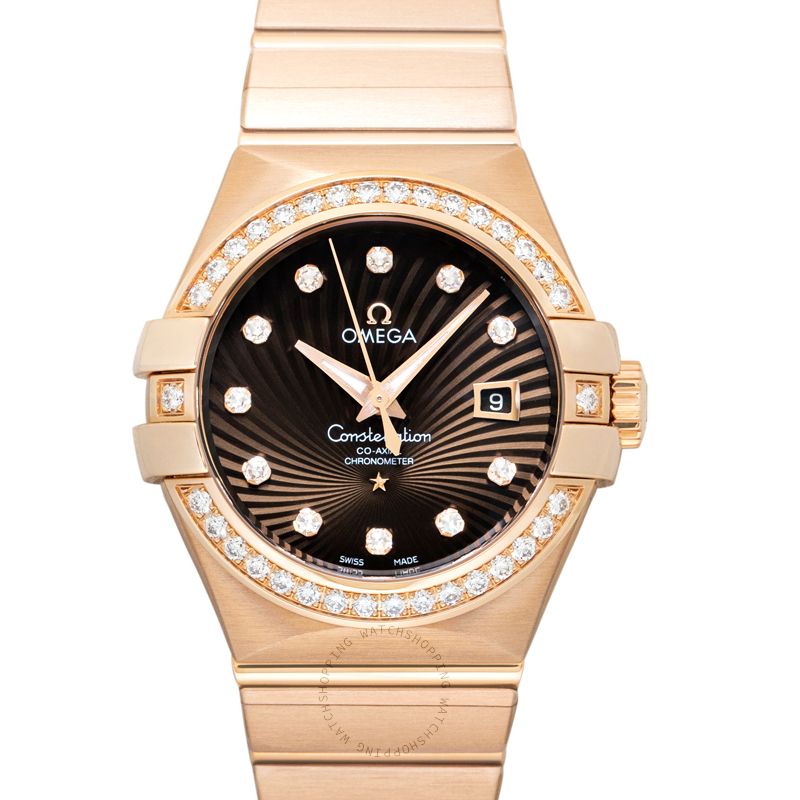
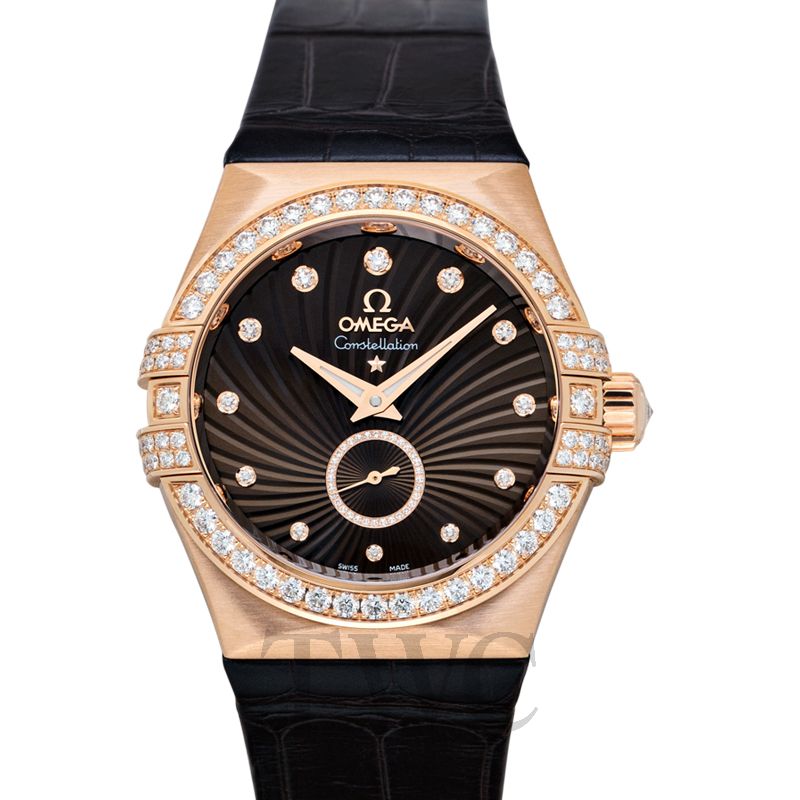
An automatic movement adds a rotor and winding system. Wrist motion turns the rotor and replenishes the mainspring. Automatic does not mean the watch can run forever without wear. If the stored energy is exhausted, the watch stops. Power reserve describes approximately how long a fully wound movement can run before that happens.
Hand-wound ownership is intentionally active
A hand-wound movement relies on the crown to tension the mainspring. Many owners enjoy the direct routine, and removing the automatic winding assembly can permit a thinner design or a clearer view of the movement. The tradeoff is simple: forgetting to wind the watch means it will stop.
Wind with a gentle, consistent motion and follow the manufacturer's instructions. A noticeable stop or rise in resistance can indicate that the mainspring is fully wound, but construction varies. Forcing a crown is never a sensible way to test it.
Quartz prioritizes accuracy and convenience
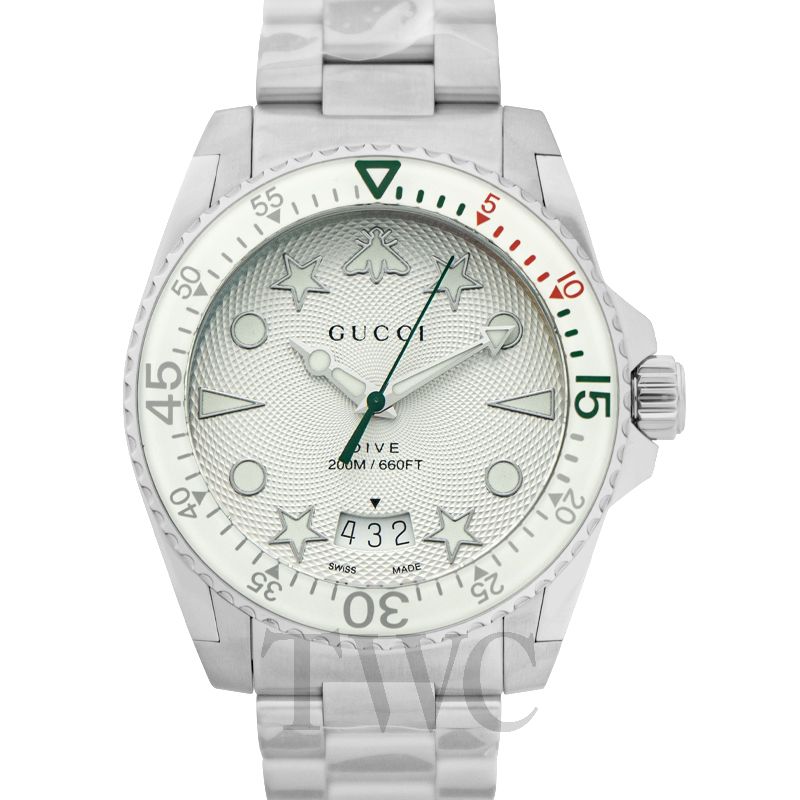
A conventional quartz watch uses a battery, an electronic circuit and a quartz crystal as its regulator. The circuit counts the crystal's oscillations and drives the display. Quartz movements are generally more accurate than ordinary mechanical movements and can run for long periods with little attention. Some are simple and economical; others include high-accuracy regulation, advanced calendars or elaborate finishing.
A dead battery should not be left inside indefinitely because leakage can damage the movement. Battery replacement is also a useful time to inspect seals and test water resistance when the case has been opened.
Solar and motion-charged systems still need care
Solar watches convert light into electrical energy stored in a rechargeable cell. They work best when they receive the kind and amount of light specified by the maker. Long storage in darkness can leave the cell deeply discharged. Motion-charged electronic systems generate electrical energy from movement. Both reduce routine disposable-battery changes, but their cells and electronics still age and may eventually require specialist service.
Accuracy claims need context
A rate stated in seconds per day or month is meaningful only when the testing conditions are clear. A mechanical watch may gain in one resting position and lose in another. A quoted power reserve assumes a suitable state of wind and can be reduced when energy-intensive functions operate. Certification can show that a movement or completed watch passed a defined test, but the exact standard and reference should be checked rather than inferred from a collection name.
Track a mechanical watch against the same reliable time source at the same time each day for at least several days. A sudden change is often more informative than a single reading. Persistent poor performance, a sharp loss of power reserve or unusual winding feel deserves professional attention.
Complications add both utility and responsibility
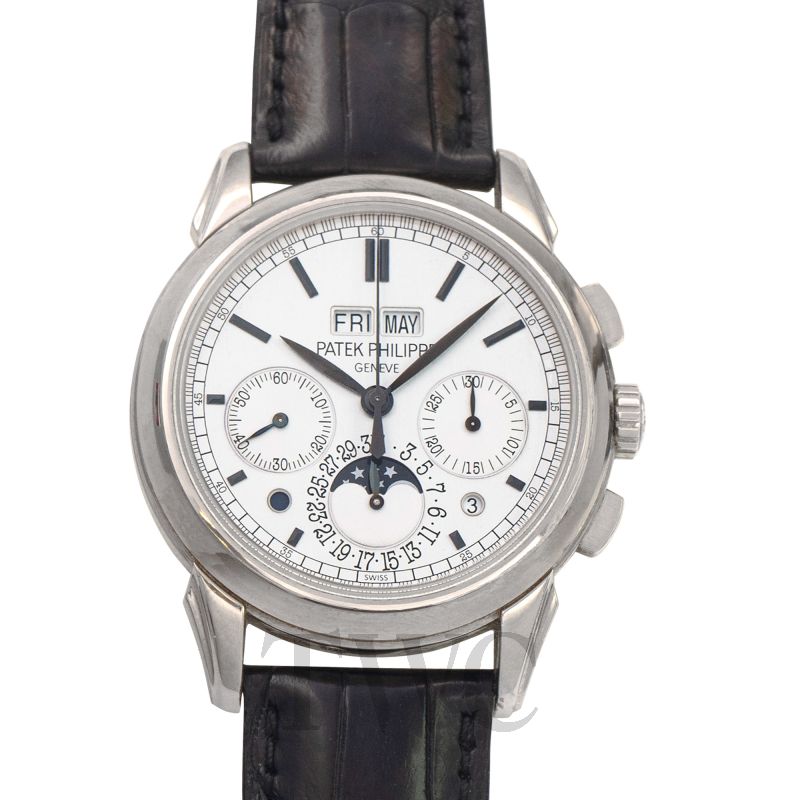
A date, chronograph, alarm, moon phase or calendar adds parts and operating rules. Some date mechanisms should not be adjusted during the movement's changeover period. A chronograph that does not start, stop or reset correctly needs inspection, not repeated force. Always learn the corrector and crown sequence for the exact caliber before setting a complicated watch.
More complications can mean more specialized service and a higher repair cost. Buy the functions you understand and will use, not simply the greatest number of subdials.
Match the movement to your routine
Choose automatic when you enjoy mechanical construction and wear the watch often enough to keep it running. Hand-wound suits an owner who wants direct interaction. Quartz is strong for accuracy, low attention and watches used intermittently. Solar is practical when convenient timekeeping and regular light exposure fit the routine.
Try the watch movement selector for a habit-based comparison. Then verify the caliber on the exact watch page within the movement catalog, because the same collection can use different systems across references. Continue with the watch care guide to understand storage and service needs.