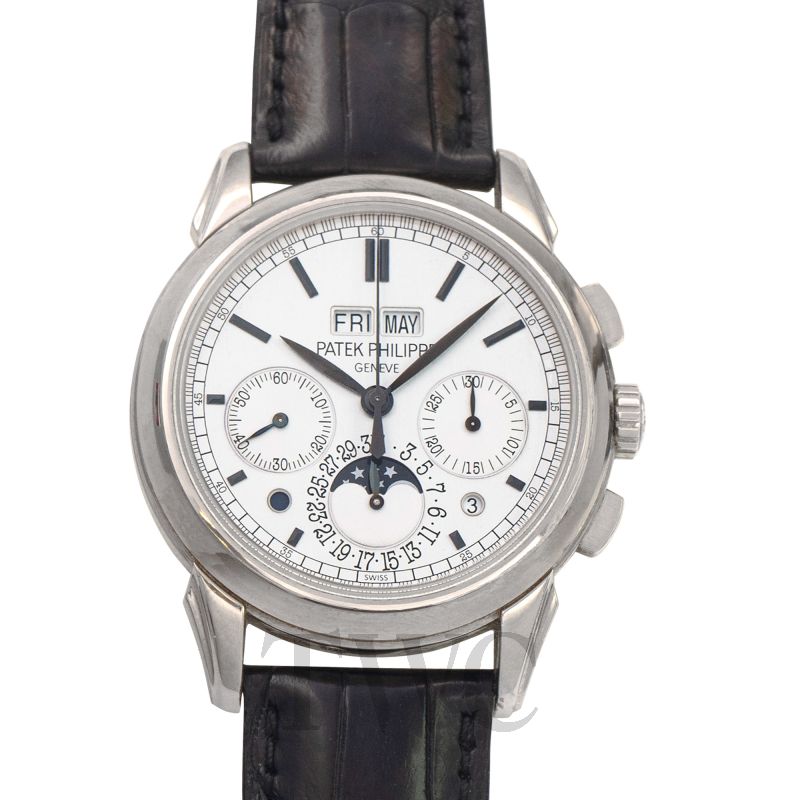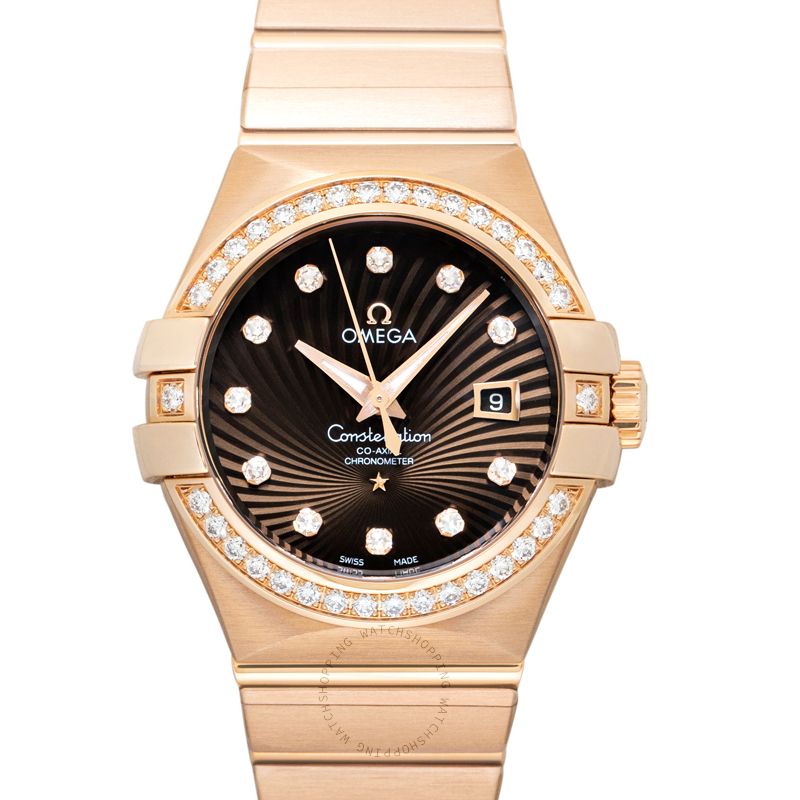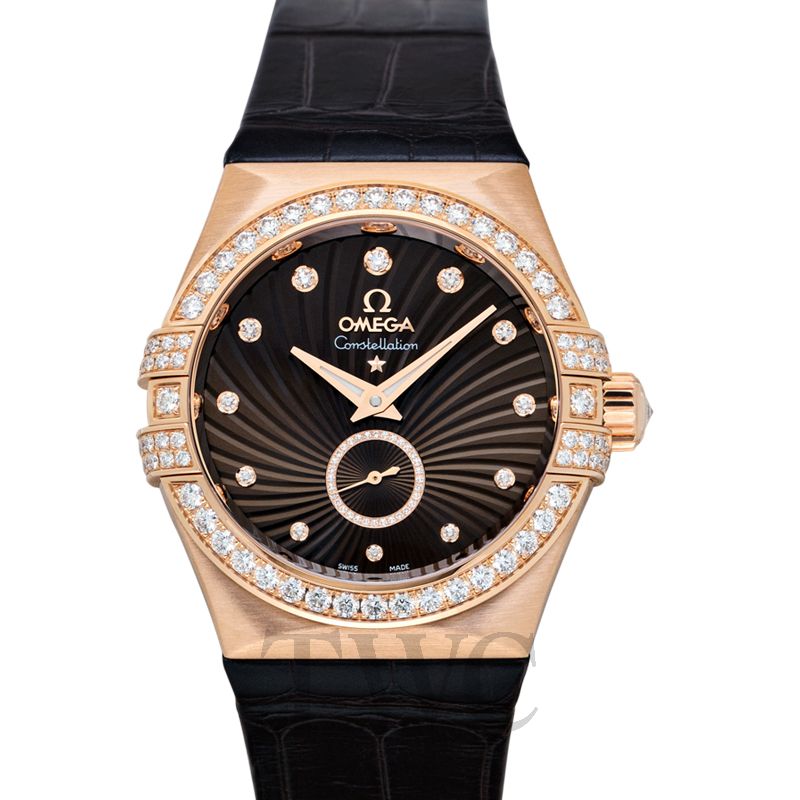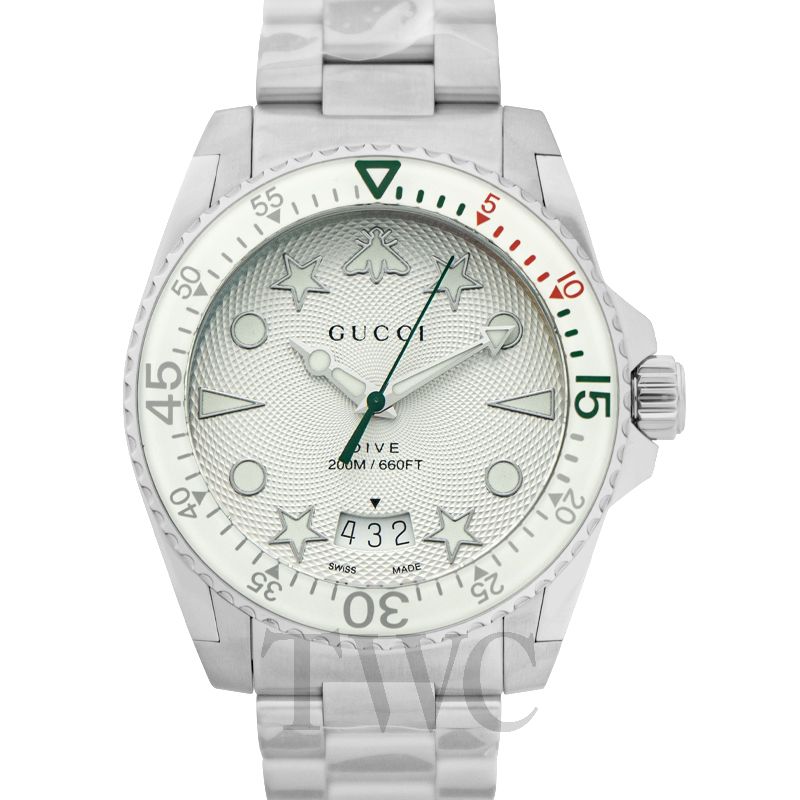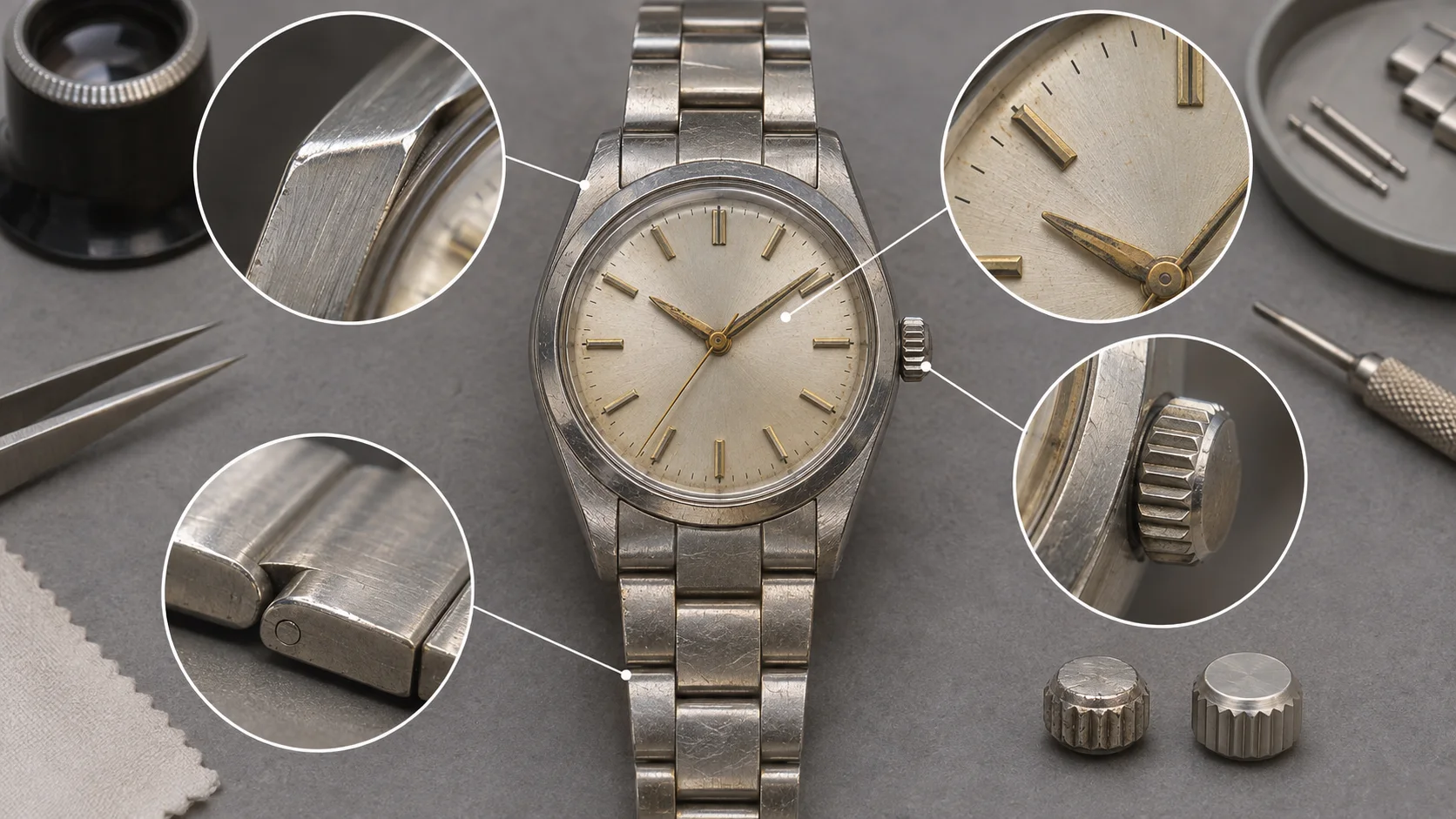
Condition describes what has happened to a watch. Originality describes whether its components match the represented reference and period. These questions overlap, but they are not the same. A heavily worn original watch and a freshly serviced watch with replacement parts can each be honest purchases when the details are disclosed and priced accordingly.
Establish the inspection baseline
Identify the complete reference, approximate production period and expected configuration before judging photographs. Compare like with like: case metal, bezel, dial, hands, crown, movement and bracelet. The watch reference finder helps narrow the record, but it does not authenticate the physical item.
Ask for recent images in neutral light. Include straight dial views, case sides, lugs, crown, case back, clasp, bracelet and accessories. Highly edited photographs can hide scratches or alter color. A short video can demonstrate function, but it should supplement sharp still images.
Read the case before judging the shine
Look for symmetry, defined edges, consistent brushing and the expected transition between finishes. Polishing removes material. Skilled refinishing can respect the design, while repeated or poor work can round lugs, soften bevels, thin guards and weaken engravings. Brightness alone is not evidence of good condition.
Inspect deep impacts, corrosion, cracks and gaps around the crystal or case back. These can matter more than ordinary surface marks. Ask whether the case has been laser repaired, filled, coated or refinished, because each treatment changes how future service should be approached.
Examine the dial and hands as a system
Printing, marker alignment, lume color, hand length and surface texture should make sense together for the reference and period. Moisture spots, flaking material and corrosion can indicate environmental damage. Perfectly even aging may be attractive, but appearance alone cannot prove that a dial is untouched.
A replacement service dial or hand can be genuine and mechanically appropriate. It may still change historical character or collector value. Ask the seller to describe each major component as original, service replacement, refinished, aftermarket or unknown. Avoid vague claims such as all original when no inspection basis is given.
Check bracelet wear and completeness
Inspect links, pins, screws, end links and clasp operation. Side movement and looseness can indicate wear, although construction and age affect what is normal. Confirm the bracelet code when relevant and count links so the watch can fit the intended wrist. Missing links on a discontinued or precious-metal bracelet may be costly.
Leather, rubber and fabric straps are consumable parts, but an original buckle or clasp can still matter. Record both the installed strap and any retained original component. The watch sizing guide explains why clasp position and effective case span affect comfort.
Separate appearance from mechanical condition
A clean exterior does not show movement health. Ask what functions were tested, how rate and power reserve were measured, and whether the case passed a recent pressure test. For a chronograph, test start, stop and reset. For a calendar, confirm changeover and correct setting without forcing the mechanism.
Read service invoices for the provider, date, work performed and parts replaced. Recently serviced without a document is only a claim. Use the watch ownership cost calculator to allow for inspection and maintenance when evidence is incomplete.
Use a condition record that another person can understand
| Area | Record | Why it matters |
|---|---|---|
| Case | Marks, corrosion, polishing and repairs | Shows material loss and future repair needs |
| Dial and hands | Condition, lume and replacement status | Separates visible appeal from originality |
| Movement | Functions, rate, reserve and service | Documents mechanical health |
| Bracelet or strap | Wear, links, clasp and codes | Confirms fit, safety and completeness |
Use the same order every time you inspect a watch. Start with the whole case, move to the dial and hands, check the bracelet, then review function and records. A repeatable order makes it less likely that a bright polish or a nice box will distract you from a missing part or an unanswered question.
Take notes before discussing price. Once a buyer starts bargaining, it is easy to excuse a flaw that seemed important a few minutes earlier. Keep the condition record separate from the negotiation.
Finish with the pre-owned watch buying checklist and the watch authenticity guide. If a fact cannot be verified, label it unknown and adjust the decision. Honest uncertainty is safer than turning a polished surface, matching box or plausible serial into proof it cannot provide.