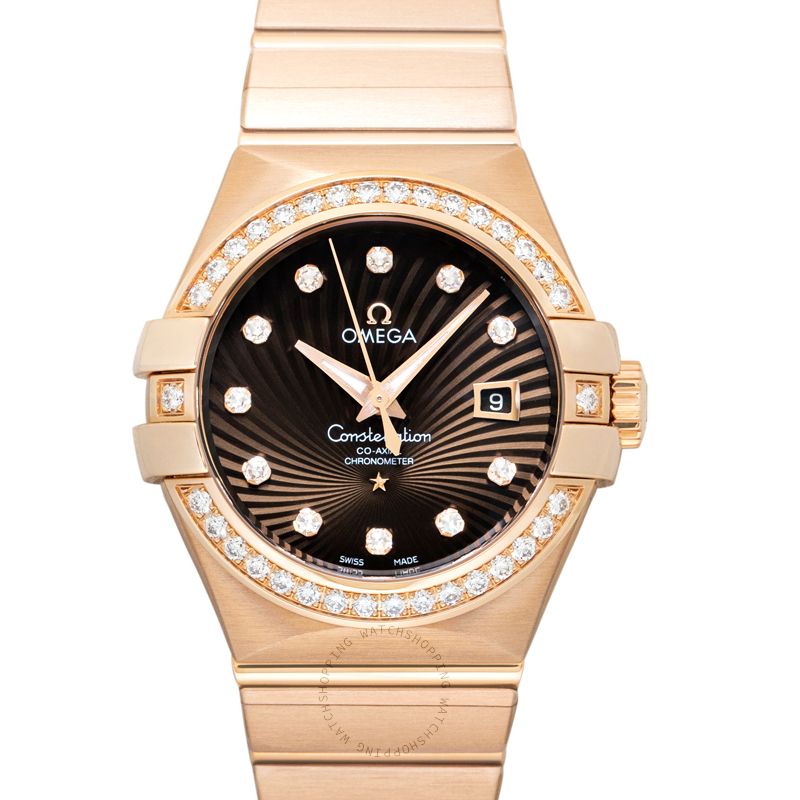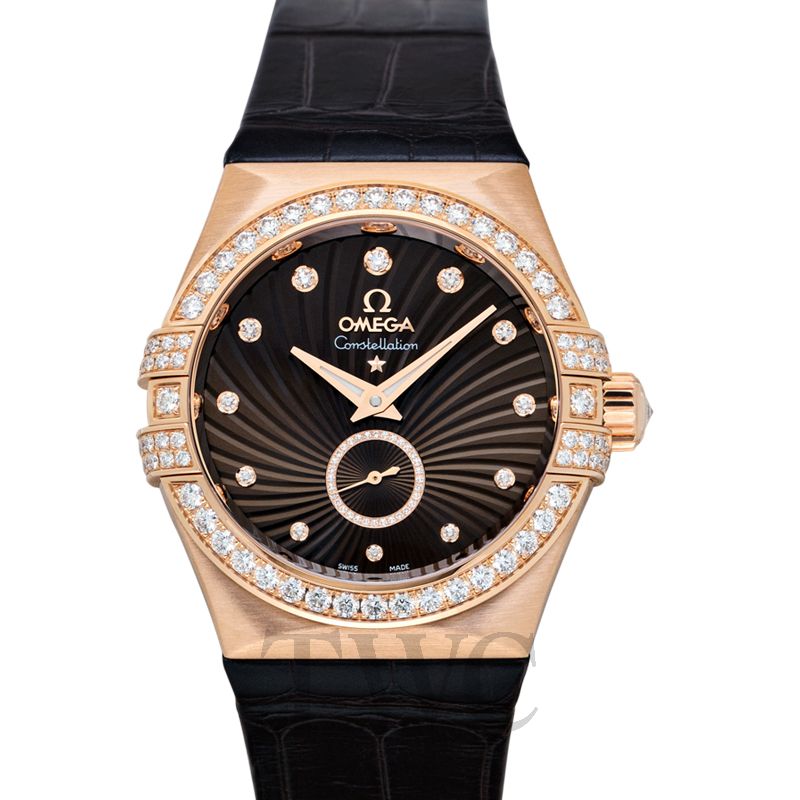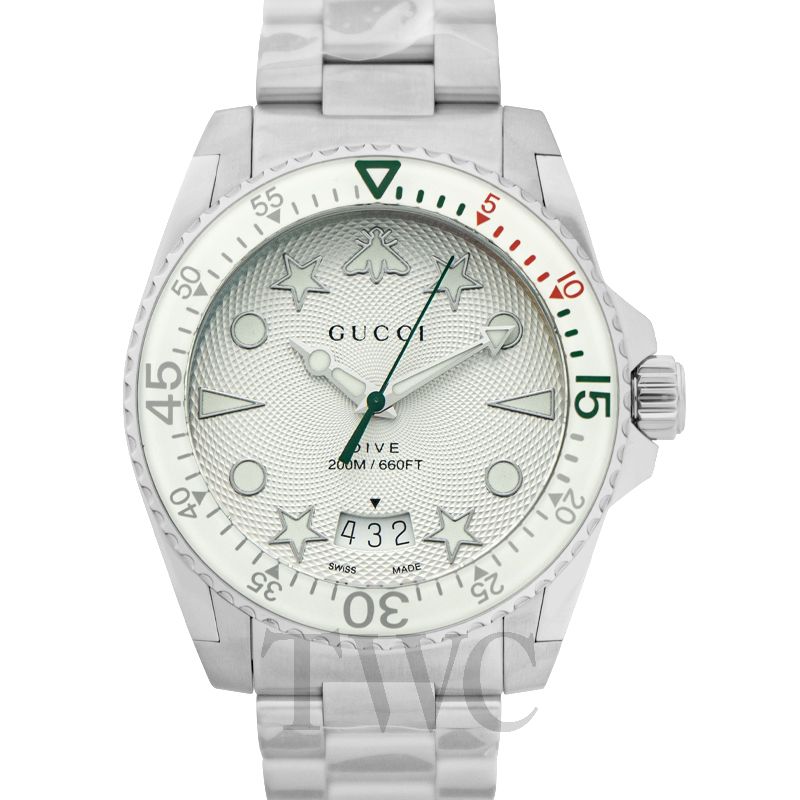
A watch complication is any display or function beyond basic timekeeping. Some complications solve an everyday problem, while others show mechanical craft or astronomical information. The best choice is not the watch with the most functions. It is the watch whose displays you can read, set and maintain correctly.
Start with the simplest useful functions
A date window is one of the most common complications. Day-date watches add the weekday, while an annual or perpetual calendar tracks more of the calendar automatically. The names sound similar, but their setting rules, correction needs and service complexity differ. Check the exact caliber and manual before using a corrector or changing the date.
Power-reserve indicators show an estimate of the energy remaining in a mechanical movement. The display can help an owner decide when to wind the watch, but it does not diagnose movement health on its own. If running time falls sharply below the expected range, record the behavior over several cycles and arrange inspection.
GMT and world-time watches solve different travel problems
A GMT watch normally adds a hand that completes one rotation over 24 hours. Used with a 24-hour scale, it can show a second time zone or distinguish day from night. Some movements allow the local hour hand to move independently, while others make the additional hand easier to adjust. That difference affects how convenient the watch is during travel.
A world-time display presents several cities or time zones together. It can provide a broad view, but daylight-saving changes and unusual local offsets still require attention. Compare travel watches in the GMT watch catalog, then verify the adjustment sequence for the exact reference.
A chronograph is a separate timing system
A chronograph starts, stops and resets an elapsed-time display. Registers may count seconds, minutes or hours. The central chronograph hand is not necessarily the watch's normal seconds hand. A tachymeter or telemeter scale adds another calculation layer, but the user must understand the assumptions behind the scale.
Test start, stop and reset operation on a pre-owned chronograph. The hands should respond consistently and return to their intended positions. Do not repeatedly operate a mechanism that sticks or resets incorrectly. Chronograph construction can increase service work, so include it in the long-term budget with the watch ownership cost calculator.
Moon phase and calendar displays need careful setting
A moon-phase display represents the lunar cycle through a rotating disc or related mechanism. It is an approximation whose accuracy depends on the design and correct initial setting. Calendar complications may use recessed correctors, crown positions or a specific sequence. Pressing a corrector at the wrong time can damage components.
Many mechanical calendars have a changeover period during which manual date adjustment should be avoided. The exact restricted hours vary by caliber. If the correct manual is unavailable, stop and obtain maker-specific instructions rather than applying a rule remembered from another watch.
Alarms, repeaters and striking watches use sound
A mechanical alarm sounds at a selected time. Repeaters and sonneries strike time information on demand or automatically. These systems are mechanically demanding and can be sensitive to case handling, setting order and service quality. Sound volume and character are part of the design, but a change in sound can also signal a need for inspection.
Specialist striking watches should be serviced by a provider familiar with the exact movement. A general description such as minute repeater does not identify the construction, parts access or correct operating procedure.
Choose complications with an operating checklist
- Name the problem the function will solve.
- Confirm how the display is read in daylight and low light.
- Find the manual for the exact caliber before setting it.
- Ask which correctors, pushers or crown positions are used.
- Understand the likely service path and parts availability.
Try explaining each display in one plain sentence. If you cannot say what it shows or when you would use it, pause before paying for it. A simpler watch can be easier to read, set and service, while the right complication can solve a real daily need.
The watch movements guide explains how energy and regulation work beneath these functions. Use the watch reference finder to separate two similar-looking models, because a collection can contain several movements and complication layouts. The useful complication is the one you can operate confidently and afford to maintain.