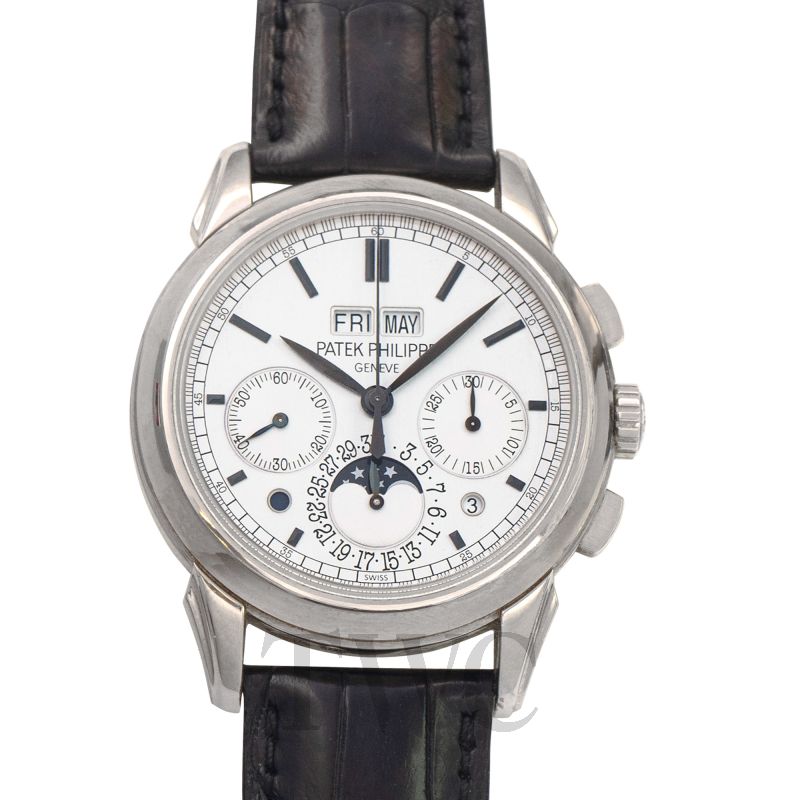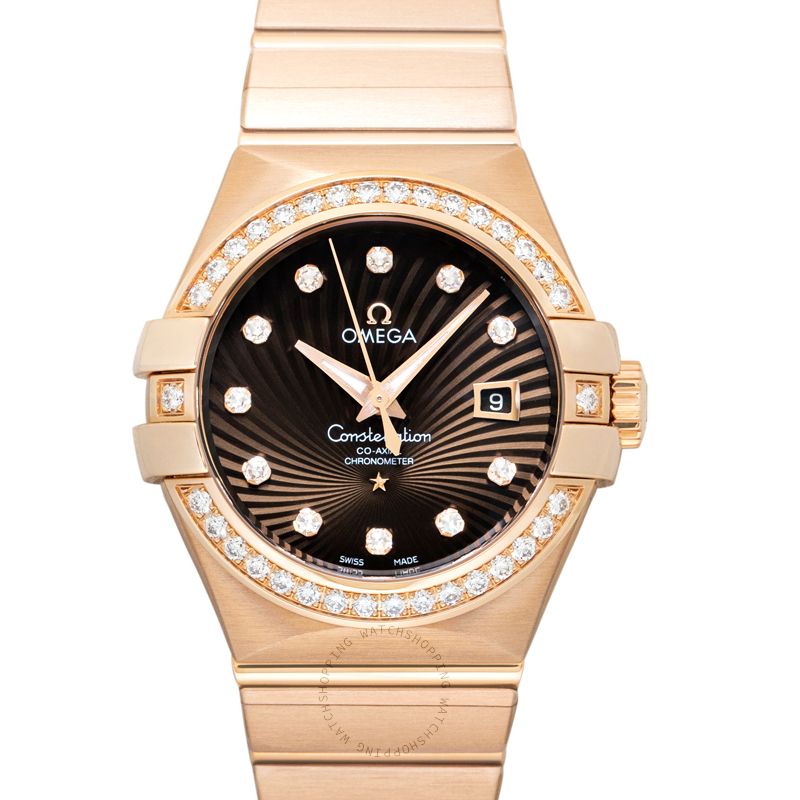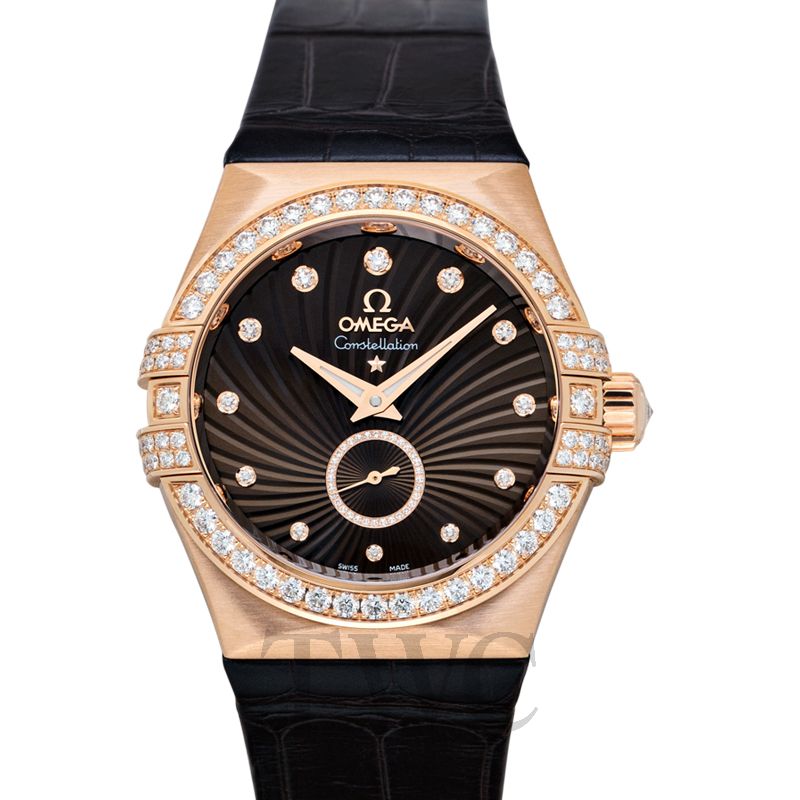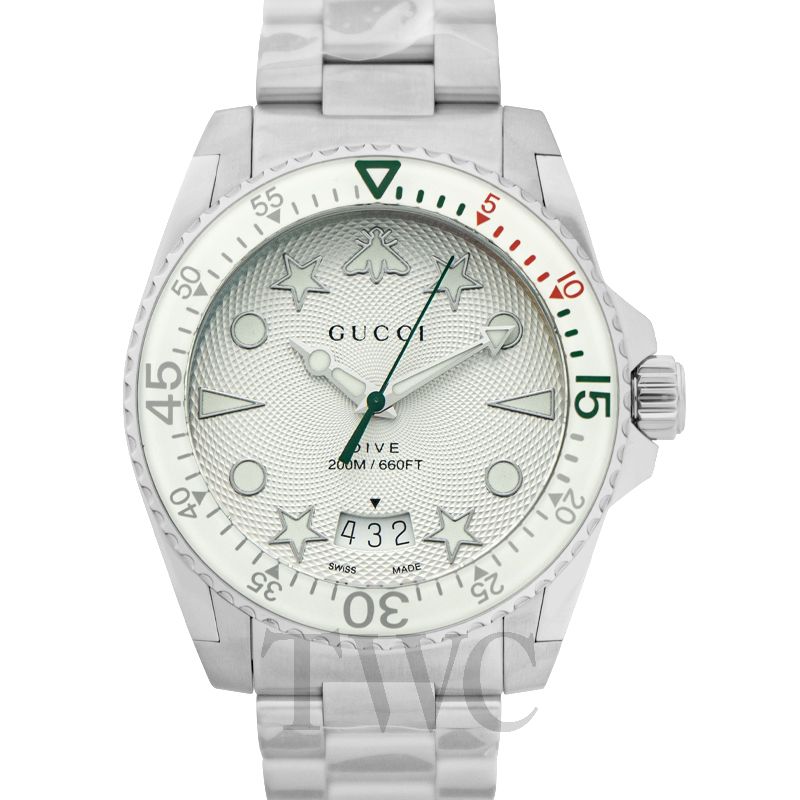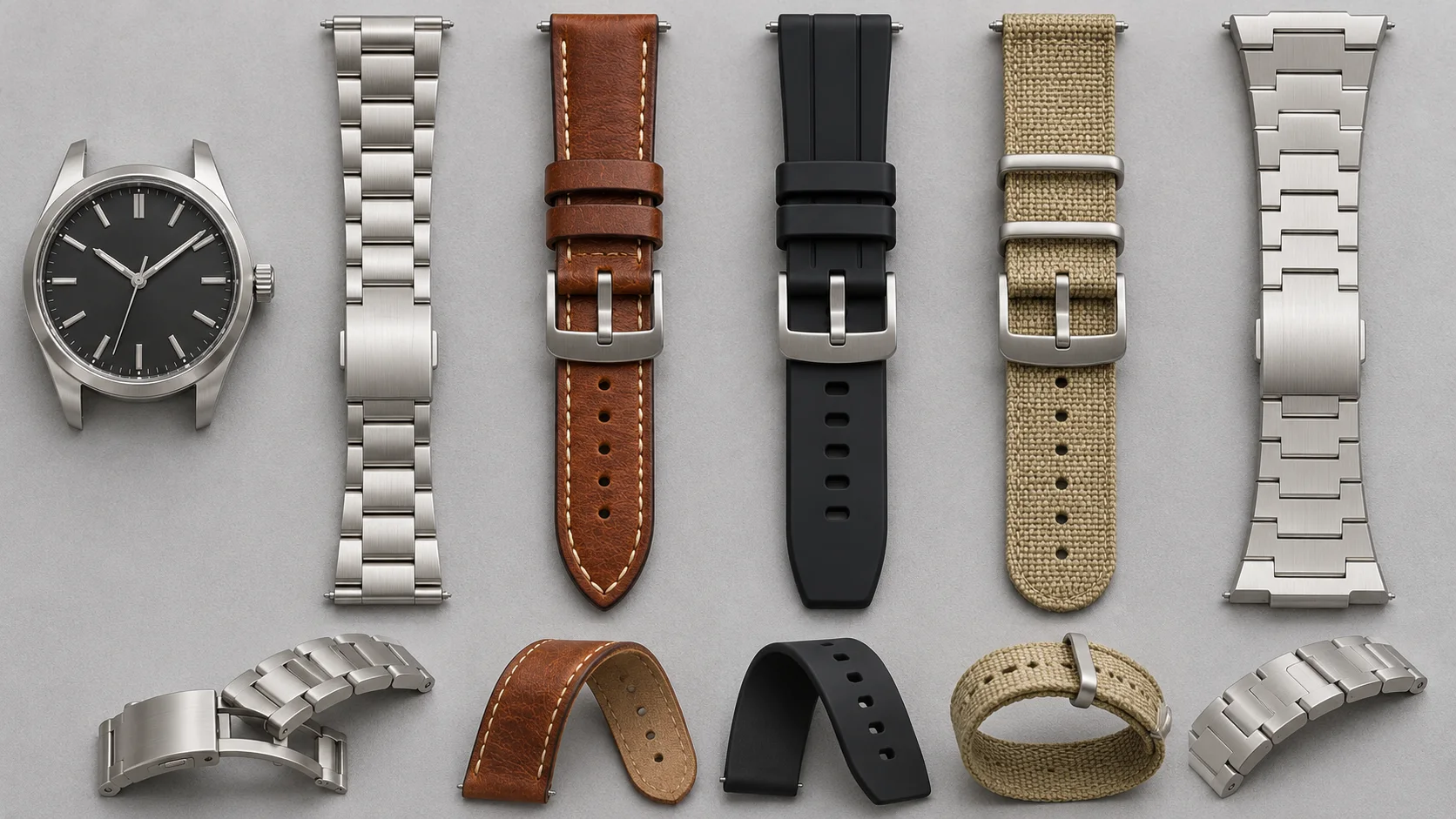
A bracelet or strap controls more than appearance. It changes balance, ventilation, security and how the case sits on the wrist. The correct choice must fit the watch at the lugs, fit the owner at the clasp or buckle, and tolerate the intended environment.
Begin with dimensions and attachment
Lug width is the distance between the lugs where the strap or bracelet attaches. Measure it at the case, not at the buckle. A strap that is too wide can bunch and damage its edges. One that is too narrow can move sideways and leave the spring bars exposed. Integrated bracelets and shaped end links may require reference-specific parts rather than a standard straight strap.
Spring bars, screws and fixed bars use different installation methods. The diameter and shoulder style of a spring bar also matter. If the attachment is unfamiliar or the watch is valuable, ask a watchmaker to fit the part and inspect the lug holes. A decorative match is not enough if the hardware is unsafe.
Metal bracelets need the right link plan
A well-sized bracelet centers the clasp beneath the wrist and keeps the case stable without restricting circulation. Links may be removed from both sides to reach that position. Half links and clasp micro-adjustment provide finer control, while a dive extension or tool-free adjustment can accommodate swelling or use over equipment.
Count all included links before buying a pre-owned watch. Missing steel links can be inconvenient, and missing precious-metal or discontinued links can be expensive. Inspect screws, pins, clasp blades and end links for wear or mismatched replacements. Excess side movement can indicate wear, but the acceptable amount depends on construction and age.
Leather offers shape and variety with clear limits
Leather can be thin and formal, padded and substantial, smooth or textured. Lining, stitching and edge treatment influence comfort and durability. Sweat, repeated soaking and high humidity can shorten its life. A case rated for water use does not make a leather strap suitable for swimming.
Choose strap length as carefully as lug width. The buckle should sit near the center of the underside of the wrist, and the tail should reach the keepers without wrapping excessively. Check whether the maker uses a pin buckle, folding clasp or a proprietary curved end.
Rubber, fabric and synthetic straps suit different work
Rubber and elastomer straps can handle moisture better than leather, but formulations vary in flexibility, odor, surface wear and resistance to oils or ultraviolet light. Fabric straps ventilate well and can add retention if one spring bar fails, although layered material may raise the watch on the wrist.
Clean every material according to its maker's instructions. Harsh solvents can discolor rubber, weaken adhesives or remove coatings. After salt water, rinse suitable components with fresh water only when the watch itself is confirmed ready for water. The watch care guide separates case cleaning from strap care.
Clasp design affects daily security
A pin buckle is simple and easy to inspect. A folding clasp can reduce repeated bending of a leather strap and may offer a more secure closed loop. Bracelet clasps may include safety locks, push buttons or adjustment systems. Each should close positively without relying on excessive force.
Check the clasp while the watch is on the wrist. It should not press into the wrist bone, open during normal movement or sit so far to one side that it pulls the case off center. Surface scratches are cosmetic, but cracks, bent blades and loose locking parts are safety concerns.
Use fit evidence before changing the watch
Record wrist circumference, case lug width, strap length, buckle width and the reference of any original bracelet. The watch size calculator helps form a case shortlist, while the watch sizing guide explains effective span and clasp position.
Wear the new setup for a quiet hour at home before taking it outside. Check whether the case drifts, the clasp leaves a pressure mark or the strap tail catches on clothing. Small fit problems are easier to fix before a strap is creased or a bracelet is scratched.
Before replacing an original bracelet, consider how the change affects the watch's balance, originality and resale documentation. Store the original part, links, spring bars and receipt together. Browse the watch band and bracelet categories for comparison, but verify compatibility with the exact reference before ordering any component.