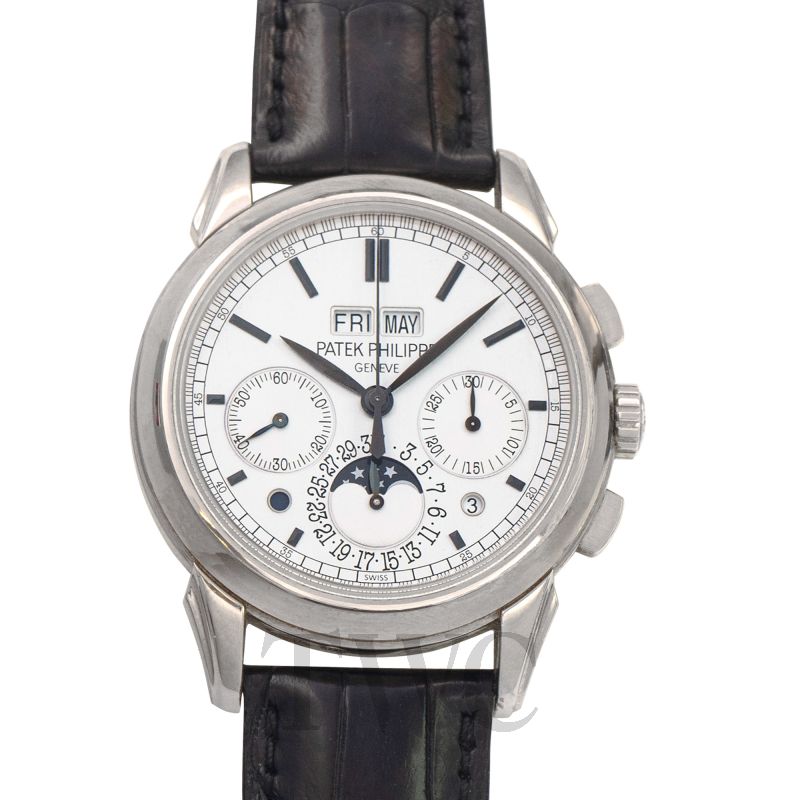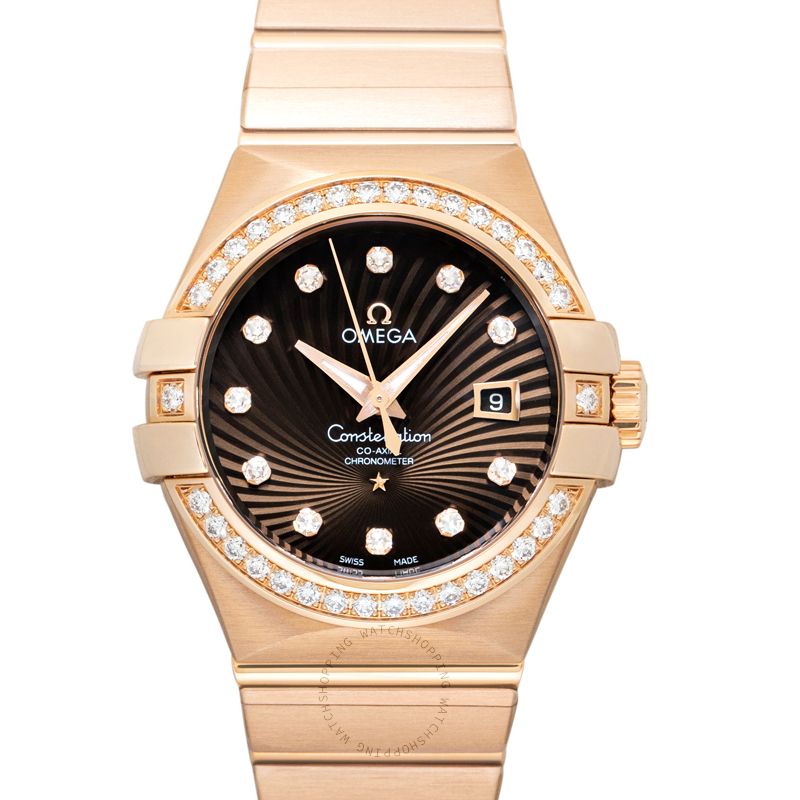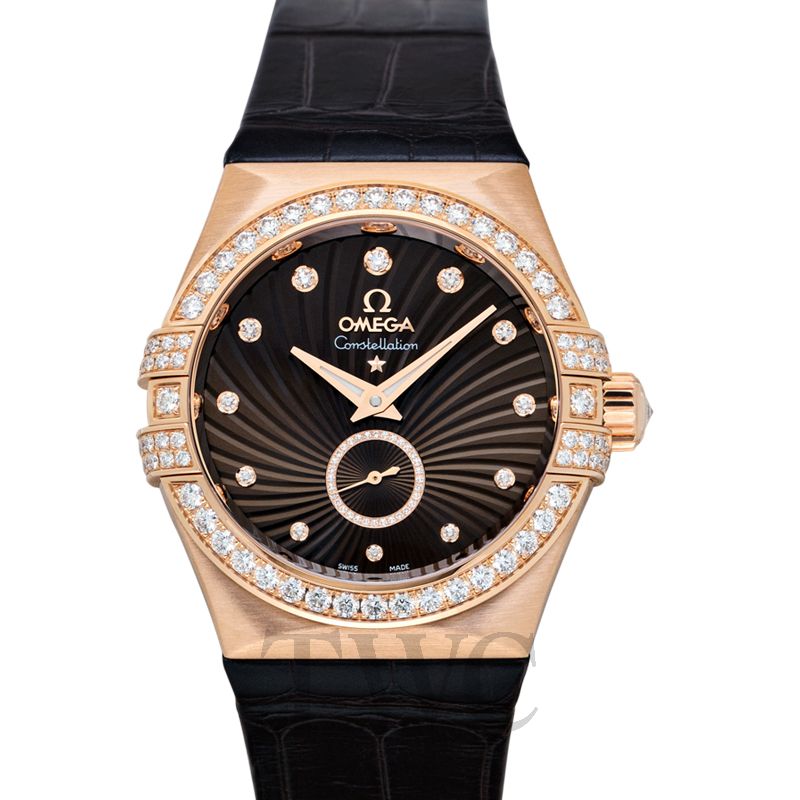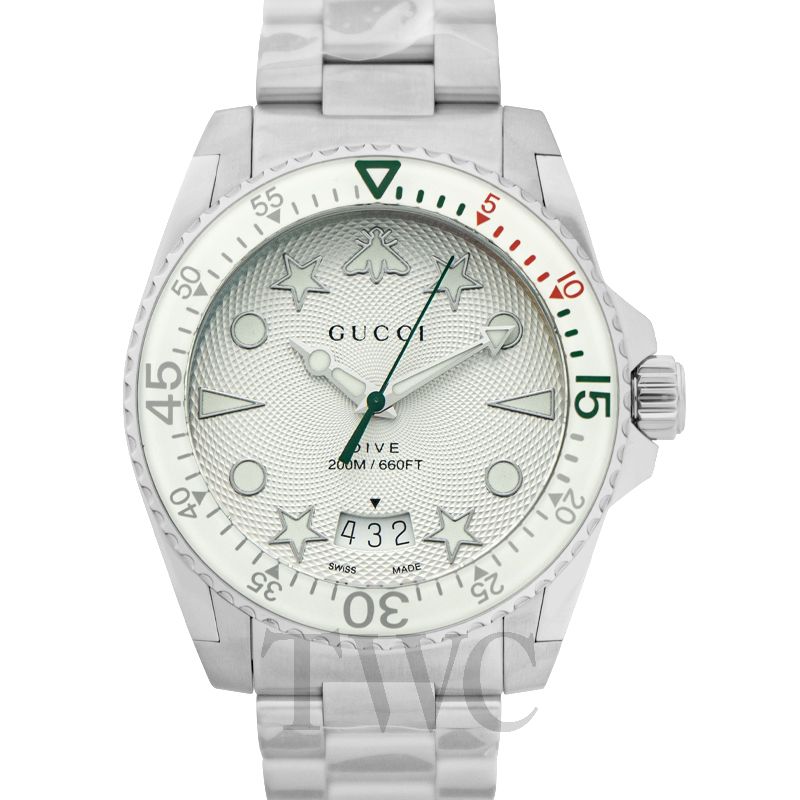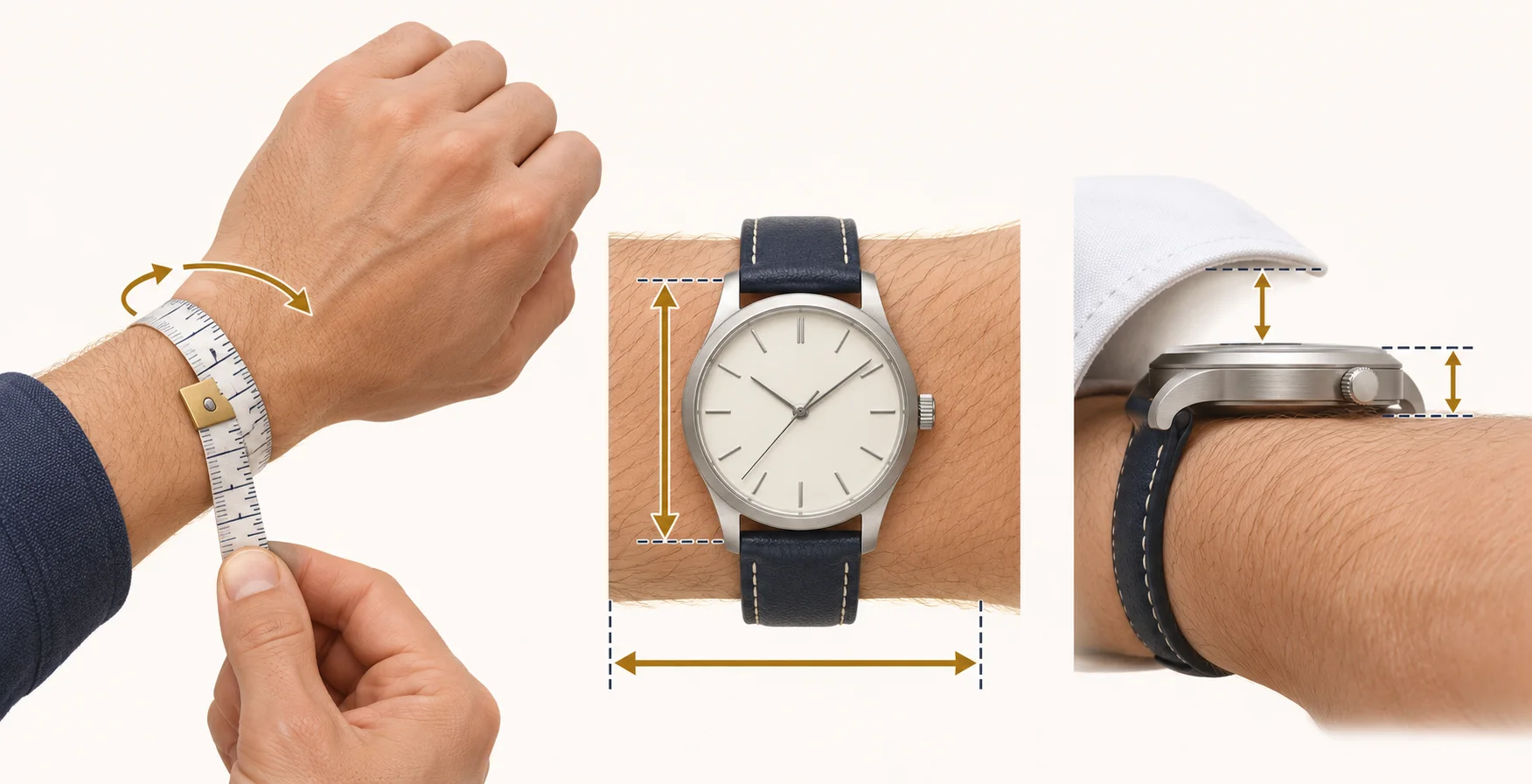
The right watch size is the one that stays centered, moves comfortably with the wrist and gives the visual presence you want. Wrist circumference helps, but case length, thickness, end-link shape and clasp position often decide whether a watch actually fits.
Measure the wrist where the watch will sit
Use a flexible tape around the wrist just behind the wrist bone. Keep it in contact with the skin without compressing it. If no tape is available, mark a strip of paper and measure it against a ruler. Record the result and note whether the wrist is broad and flat or narrow and round. Two wrists with the same circumference can support different case lengths.
Also note seasonal change. Heat, travel and exercise can make the wrist swell. A bracelet that fits perfectly in a cool room may become tight outdoors unless the clasp offers a useful micro-adjustment or extension.
Lug-to-lug length controls case overhang
Lug-to-lug is the straight distance from the end of the upper lugs to the end of the lower lugs. When the lugs extend beyond the flat top of the wrist, the watch can rock or appear disconnected from the arm. Curved lugs may wrap around the wrist, so shape matters alongside the number.
Bracelets with rigid or male end links can extend the effective span beyond the published case length. Ask for the first flexible-link distance when evaluating such a design. A compact case with long fixed end links can wear larger than its diameter suggests.
Diameter changes visual scale, not fit by itself
Case diameter is usually measured across the case without the crown, but listings do not always use the same method. A thin bezel exposes more dial and can make a watch look larger. A wide dive bezel reduces the dial opening and can make the same diameter look more compact. Light dials, long markers and minimal empty space also influence visual size.
Cushion, square and rectangular cases require their own judgment. A width number from one shape should not be treated as directly equivalent to a round case. Compare photographs and dimensions of watches you already know fit well.
Thickness affects balance and cuff clearance
Thickness changes the center of gravity. A tall watch on a narrow strap may lean to one side, while a shaped case back and broad bracelet can stabilize it. Crystal shape is important too. A domed crystal can add height without making the case flank feel thick.
If the watch must fit beneath a cuff, measure cuff clearance or try the same clothing during a fitting. Crown guards and pushers can also contact the back of the hand. Wearing the watch slightly above the wrist bone often improves comfort.
Bracelet and strap geometry complete the fit
A bracelet should have enough removable links to center the clasp beneath the wrist. Unequal link removal may be necessary. Small links, half links and micro-adjustment allow finer sizing than a bracelet with only large links. Check total bracelet length on a pre-owned watch because missing links may be costly or difficult to replace.
Leather and fabric straps need the correct length as well as the correct lug width. The buckle should sit near the middle of the underside of the wrist, not at the edge. A tapered strap can make a large case feel more refined, while a wide untapered strap adds visual weight.
Use specifications to shortlist, then verify
Start with the watch size calculator, but treat its result as a range for comparison. For every candidate, record diameter, lug-to-lug, thickness, first-link behavior and adjustment options. The watch reference finder helps separate versions that share a model name but have different dimensions.
When buying remotely, request a straight-on wrist photograph and a side view from a wrist close to your size. Confirm the seller's measurement method and return terms. Wrist photographs taken with a wide-angle phone camera at close range can exaggerate the case, so they should support measurements rather than replace them.
Signs that the fit is wrong
- The lugs or rigid end links extend beyond the wrist.
- The crown or pushers dig into the hand during normal movement.
- The case repeatedly rotates to the side despite correct bracelet tension.
- The clasp cannot be centered without making the bracelet too tight.
- The watch stays in place only when the bracelet is tightened enough to restrict circulation or leave a deep mark.
None of these is solved by a fashionable size label. Compare exact specifications in the watch catalog and choose the configuration that remains comfortable after several hours, not merely the one that looks impressive for a minute.