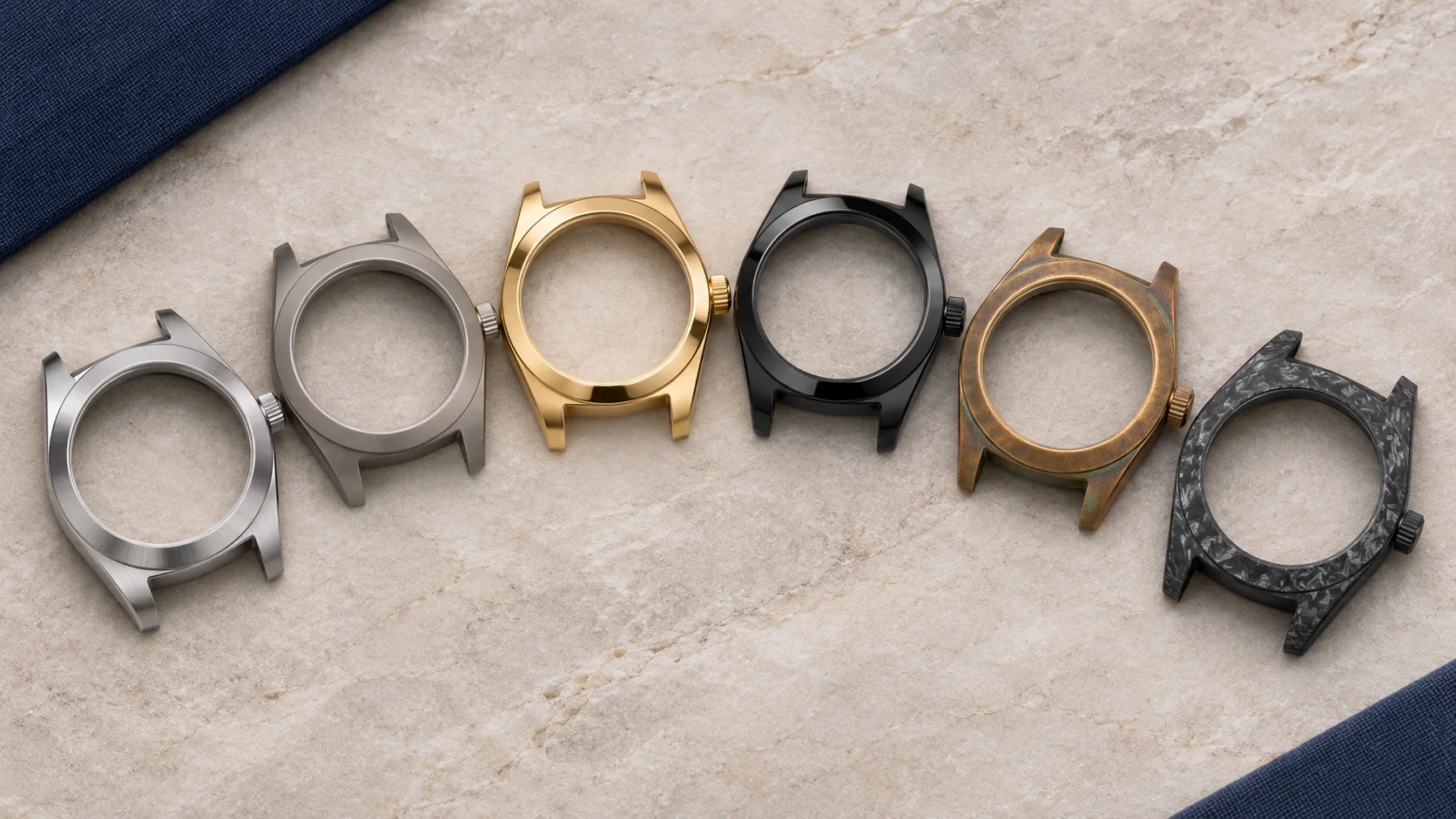
Watch material affects weight, temperature on the wrist, surface wear, corrosion resistance and the options available when damage occurs. No material is simply best. The useful comparison is how each one behaves in the environment where the watch will be worn.
Stainless steel is durable, not maintenance-free
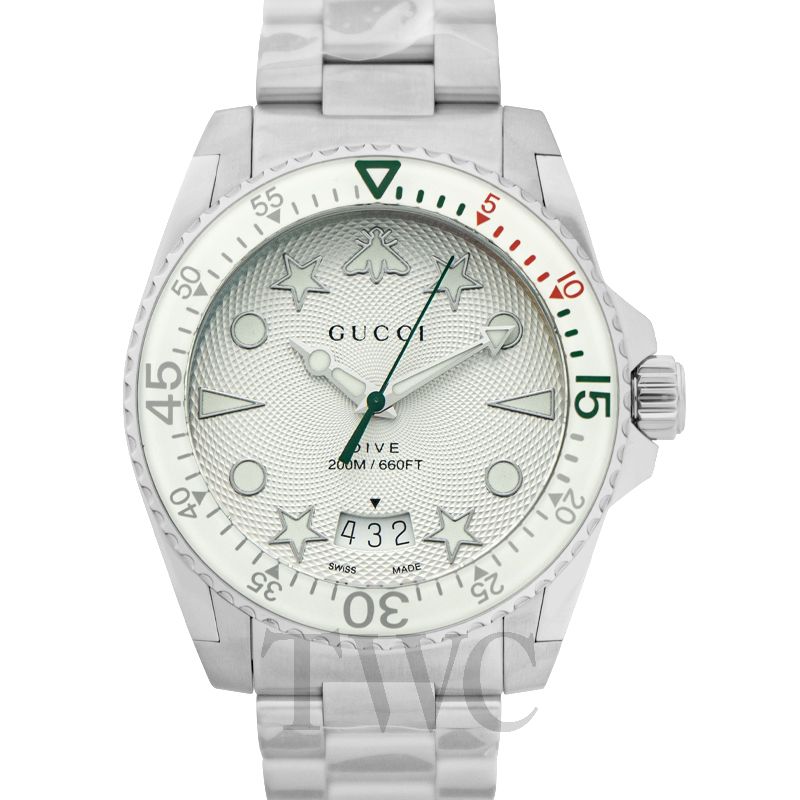
Watchmakers use corrosion-resistant steel alloys because they combine strength, machinability and a finish that can be brushed or polished. Brushed surfaces tend to disguise fine marks, while mirror-polished areas show them more readily. Chlorine, salt and trapped dirt should still be removed according to the maker's care instructions.
Steel can often be refinished, but every polishing operation removes material. Poor work can round lugs, blur bevels and change the transition between brushed and polished surfaces. Preserving case geometry may be more important than removing every scratch.
Titanium changes comfort and surface behavior
Titanium is much lighter on the wrist than a similarly sized steel case and has strong corrosion resistance. Its gray tone can look more technical and less reflective. Many wearers find it comfortable on larger watches, and certain titanium alloys are useful for people sensitive to common metals.
Not all titanium finishes behave alike. Untreated surfaces, hardened treatments and different alloys can show wear in different ways. Refinishing may require brand-specific methods, so do not assume a local steel polishing process is appropriate.
Gold and platinum add weight and softer surfaces
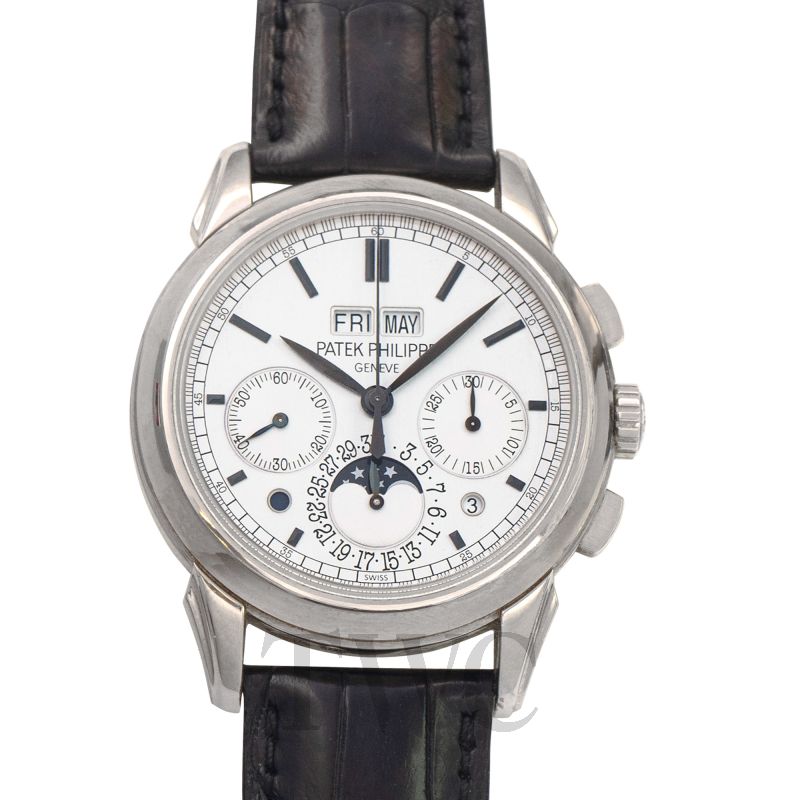
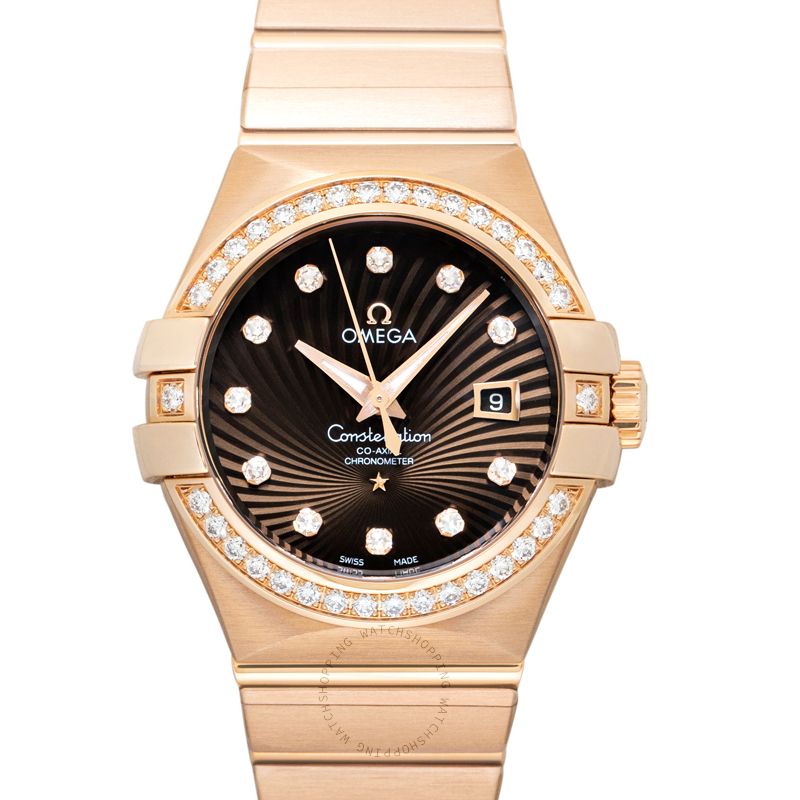
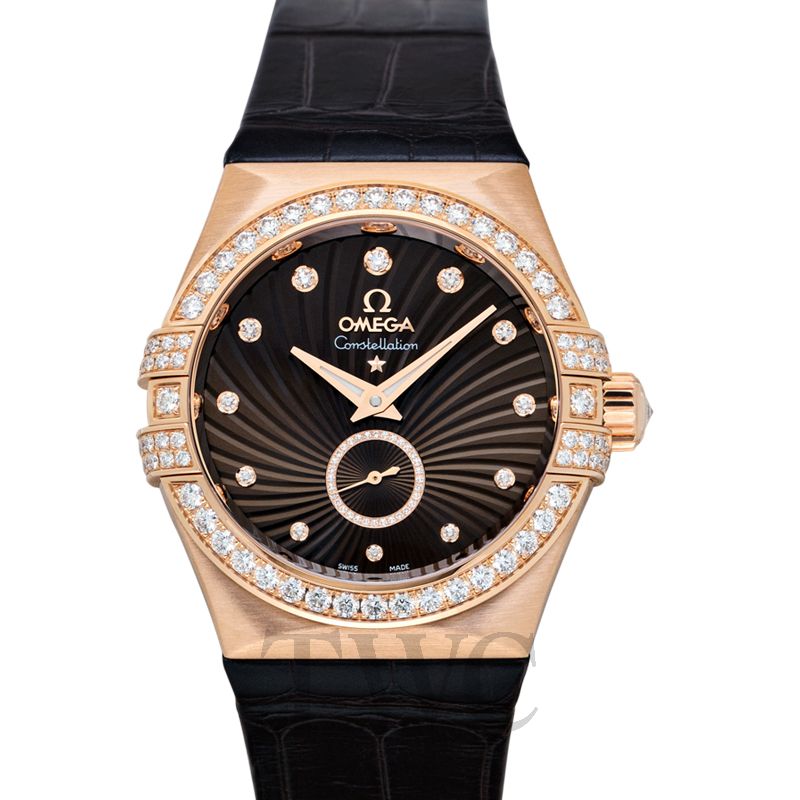
Watch cases use gold alloys rather than pure gold so the metal can be shaped and worn more practically. The secondary metals influence color and hardness. Yellow, rose and white gold can therefore age differently. White gold should not be confused with platinum, which is naturally white and notably dense.
Precious-metal watches collect marks through normal wear. A heavy bracelet also needs enough links for fit, because replacement links can represent a meaningful cost. Ask whether a white-gold surface treatment has been renewed and whether previous refinishing preserved hallmarks and case lines.
Ceramic resists scratches but not every impact
High-tech ceramic is valued for color stability and strong resistance to everyday surface scratching. It is commonly used for bezels and sometimes for complete cases or bracelets. That scratch resistance should not be interpreted as immunity to damage. A sharp impact can chip or fracture a part, and replacement may be the only practical repair.
Inspect ceramic around screw holes, link edges and clasp contact points. Confirm availability and cost of replacement components before buying a discontinued or unusual configuration.
Bronze is designed to change
Bronze reacts with air, moisture and skin contact to form a patina. The result depends on alloy and environment, so two examples can develop different colors. This change is part of the appeal for many owners. Others should consider whether they will be comfortable with an evolving finish and possible transfer to skin or clothing.
Cleaning can alter the patina and may affect adjacent components. Follow the maker's guidance rather than applying an aggressive household recipe to a valuable watch.
Carbon composites and coatings require exact identification
Carbon-based cases can be layered, molded or forged using different fibers and resins. Their patterns and repair options vary. The word carbon alone does not explain construction. Ask for the manufacturer's precise material description and inspect exposed edges for damage.
Black cases may use a surface coating over steel or titanium rather than a solid black material. Coatings can resist wear well, but a deep scratch may reveal the base metal and cannot always be polished away. Confirm whether damaged components can be refinished or must be replaced.
Match material to the wearing environment
For an everyday watch, balance weight, surface finish and access to replacement parts. For humid or marine use, verify the complete watch's corrosion resistance and water-resistance condition, not just the case material. For formal wear, comfort and visual tone may matter more than impact resistance. Sensitive skin requires attention to the case back, buckle and bracelet as well as the case.
Compare material classifications through the watch category directory and verify the material on each exact reference. Then read the watch care and maintenance guide because safe cleaning differs among metal, ceramic, coatings, leather and fabric. For a purchase decision, include repairability and replacement-part access in the complete buying process.