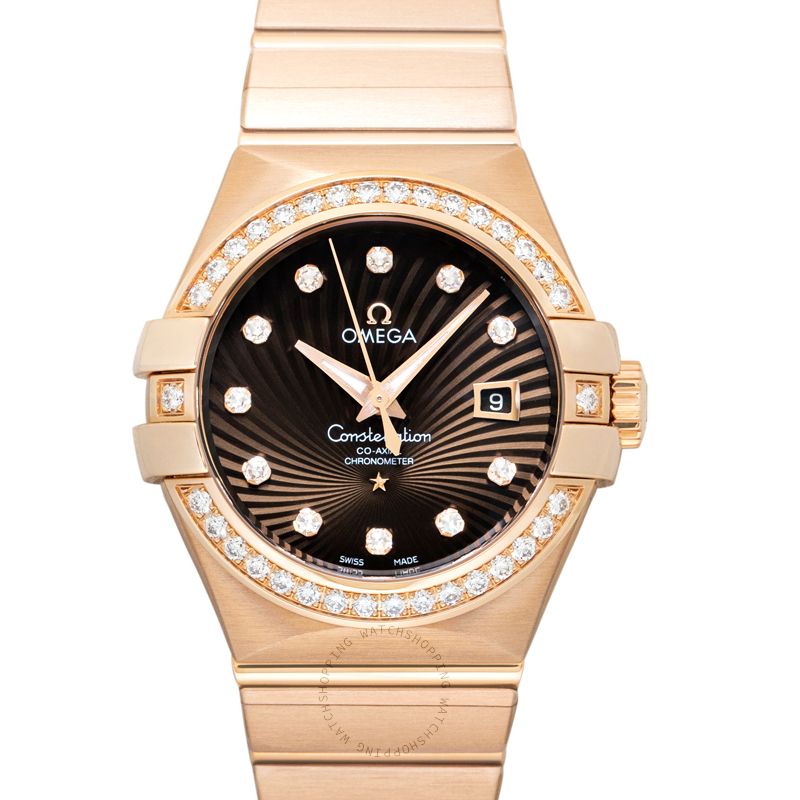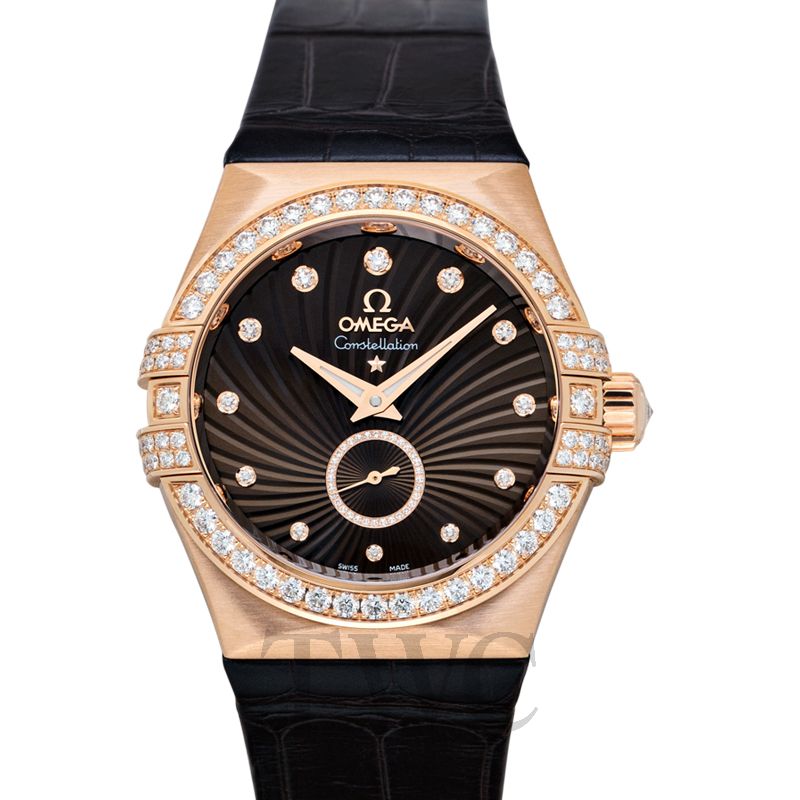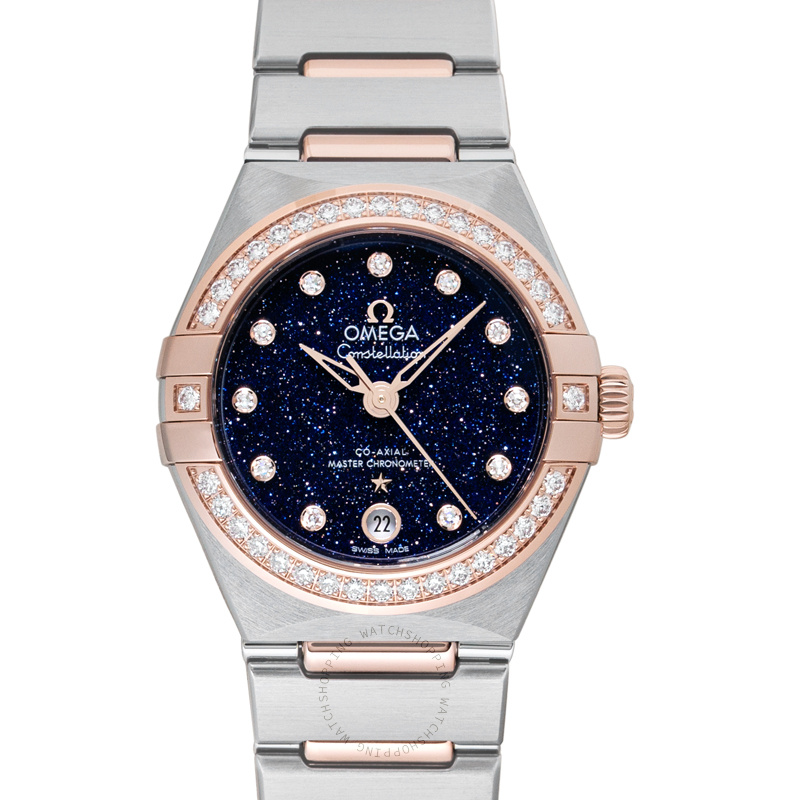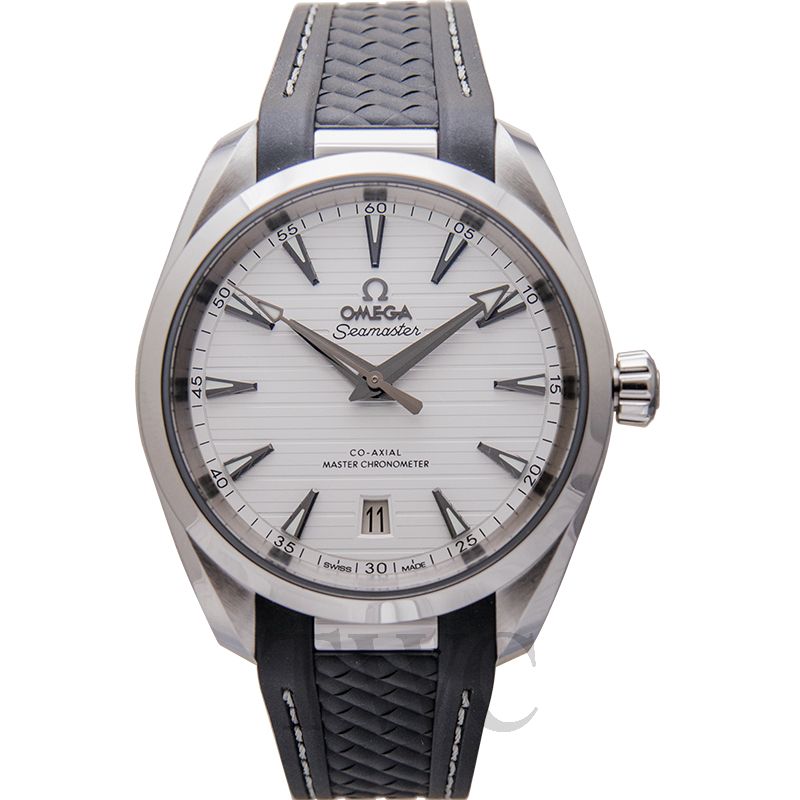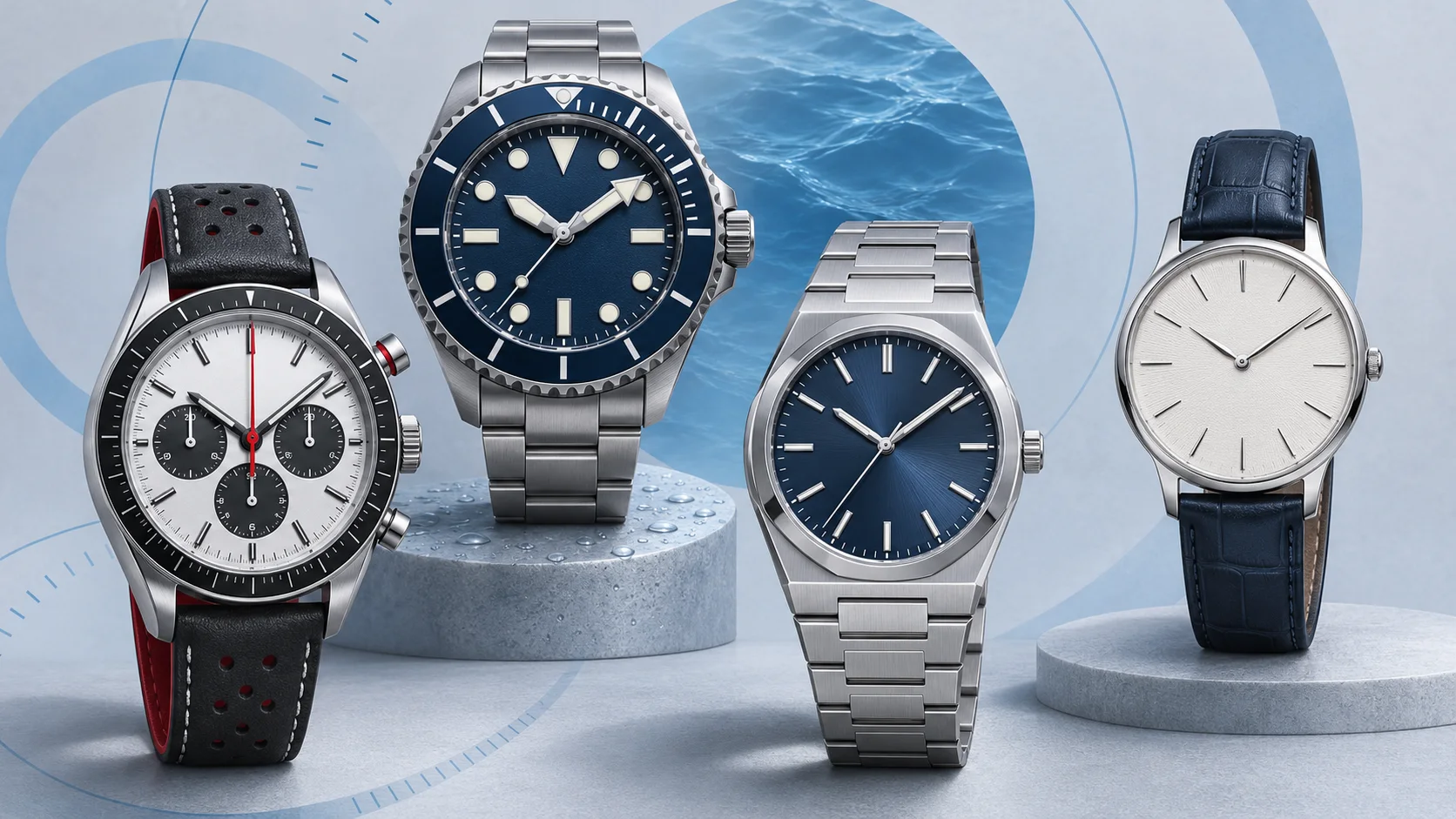
Omega's collection names contain several distinct branches. A Seamaster can be a professional dive watch or a refined everyday model, while a Speedmaster can use different movements and case formats. Begin with the intended function, then use the complete reference to identify the actual watch.
Speedmaster is broader than one Moonwatch
The Omega Speedmaster collection is centered on chronographs, but the family includes more than the familiar Moonwatch form. References can differ in winding system, movement, case material, dimensions, crystal, bezel and display. Some preserve a traditional manual-winding experience, while others take a different technical direction.
When comparing Speedmasters, decide whether historical design, automatic convenience, water resistance, case size or a specific timing display matters most. Check pusher operation and reset alignment on a pre-owned chronograph, then confirm the correct operating procedure for its caliber.
Seamaster covers several types of sports watch
The Omega Seamaster collection includes professional dive watches and versatile sport models. Diver 300M references use a dive-watch format, Planet Ocean models pursue a more substantial professional profile, and Aqua Terra models use a cleaner fixed-bezel design suited to broad daily use.
Do not choose only by the highest depth rating. Thickness, bezel grip, bracelet adjustment, dial legibility and current seal condition affect real ownership. A pre-owned dive watch should be pressure tested before it is trusted in water, regardless of the rating printed on the dial or case.
Constellation combines design identity and precision
The Omega Constellation collection spans recognizable integrated-bracelet and claw-design references as well as the Globemaster line. The collection has changed over time, so a name alone does not predict case construction, movement or fit.
Bracelet articulation and available links are important on integrated designs. For any precision or certification claim, verify the standard attached to the exact watch rather than applying a current collection description to an older reference.
De Ville favors classic and complicated dress watches
The Omega De Ville collection generally emphasizes a formal design language. It includes simple time-only and date watches as well as more complicated references. Slim proportions may suit a cuff, but case diameter, lug span and movement depth still need confirmation.
A complicated De Ville may require a different service budget and setting routine from a three-hand model. Decide whether the additional display will be used and understood before making it a purchase requirement.
Movement labels need exact-reference checking
Omega uses both mechanical and quartz systems across its history. Terms linked to escapements, antimagnetic performance or testing standards can be useful, but they should be tied to the precise caliber and generation. Similar-looking references may not share the same movement or certification.
Use the watch movement selector to define your ownership preference, then confirm the recorded caliber with the watch reference finder. A movement name can look impressive, but its winding method, power reserve and service path matter more during daily ownership.
Choose an Omega by use and wearing comfort
Choose Speedmaster when chronograph history and elapsed-time operation lead the decision. Consider a Seamaster branch for water-focused or versatile sports use. Constellation suits an owner drawn to its distinct case and bracelet design, while De Ville provides a more formal direction.
After choosing a family, compare only exact references. Record diameter, lug-to-lug length, thickness, movement, water resistance, bracelet or strap, and service history. Check those facts against the Omega watch catalog instead of treating unlike generations as direct equivalents.
Check pre-owned condition without relying on the name
Inspect case refinishing, dial and hand condition, bracelet wear, crown and pusher operation, and documented service. Vintage and modern examples require different expectations. Boxes and papers add context, but the watch itself must match the represented reference. Follow the pre-owned buying checklist before committing to a transaction.
Handle a possible purchase slowly. Wind it, set it and test each function only as the correct manual allows. Look at the watch from the side as well as from above. Ask which parts were replaced during service and whether the bracelet has enough links. These ordinary checks often tell you more than a collection nickname or a polished sales photo.
Write down the reason you prefer one exact reference. It may be the case size, a manual-winding movement, a useful clasp or a cleaner dial. If that reason disappears when you compare the real watch, return to the shortlist rather than forcing the purchase.